Middle East tensions push oil prices higher as markets fear supply disruptions

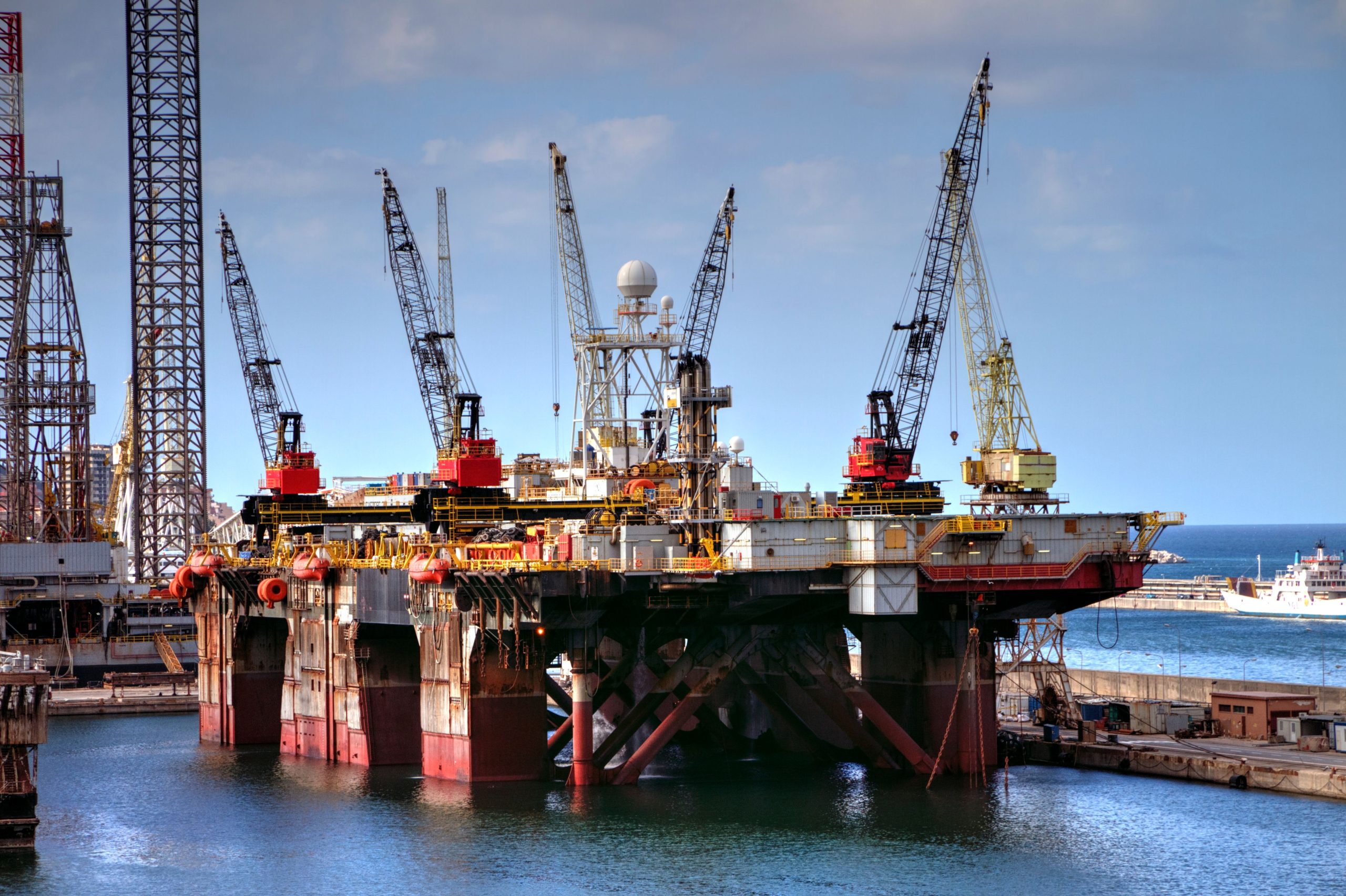
Global oil markets are once again reacting to rising tensions in the Middle East. A new escalation in the region has increased concerns among investors that oil supplies could be disrupted, causing prices to rise sharply on international markets. Analysts warn that energy markets remain highly sensitive to geopolitical events, and any further deterioration of the situation could trigger additional volatility.
The Middle East remains one of the most important regions for global oil production. Countries in the Persian Gulf provide a significant share of the world’s crude oil exports, meaning any threat to production or transportation routes can quickly affect prices worldwide. Investors are closely monitoring not only the development of the conflict itself but also the security of key shipping routes used to transport energy supplies.
One of the most critical locations for global energy security is the Strait of Hormuz. This narrow maritime passage connects the Persian Gulf with the Arabian Sea and serves as a major route for oil and natural gas shipments. Any disruption to shipping through this area could significantly reduce available supplies on international markets and create further upward pressure on energy prices.
Oil prices are also being influenced by financial markets. During periods of uncertainty, investors often increase their exposure to commodities such as oil, which are viewed as a potential protection against geopolitical risks. Higher demand for oil futures can accelerate price increases even before any actual interruption of supplies occurs.
Rising oil prices can have a broader impact on the global economy. More expensive crude oil increases costs for fuel production, transportation, manufacturing, and many other industries. If higher prices continue for a longer period, consumers may eventually feel the effects through more expensive gasoline, diesel, and higher prices for goods and services.
However, experts point out that geopolitical tensions do not automatically lead to permanently higher oil prices. The future development will depend mainly on whether the conflict expands or whether diplomatic efforts succeed in reducing tensions. In previous crises, oil markets often reacted with sharp price increases immediately after new incidents, followed by stabilization once concerns eased.
Another important factor is the response of major oil-producing countries, particularly the OPEC+ alliance. If significant production or export disruptions occur, producers may consider adjusting output levels to stabilize the market. Such decisions, however, require coordination between multiple countries and may take time to implement.
Energy companies, airlines, and industrial businesses are closely watching the situation because oil prices are a major factor affecting operating costs. Sudden changes in energy markets can influence corporate profits, investment decisions, and economic forecasts around the world.
For governments and central banks, higher oil prices also create additional challenges. Expensive energy can contribute to inflation by increasing costs throughout the economy. This is particularly important at a time when many countries are still dealing with economic uncertainty and efforts to control price growth.
Analysts expect oil markets to remain highly sensitive as long as uncertainty continues in the Middle East. Every new development in the region has the potential to influence energy prices within hours. Geopolitical risks are therefore likely to remain one of the key factors shaping the future direction of global oil markets.
The latest rise in oil prices shows once again how closely connected global energy markets are with international security. A conflict in one region can quickly affect consumers, companies, and economies across the entire world.
Photo source: www.pexels.com
Author of this article

WAS THIS ARTICLE HELPFUL?
Support us to keep up the good work and to provide you even better content. Your donations will be used to help students get access to quality content for free and pay our contributors’ salaries, who work hard to create this website content! Thank you for all your support!



OR CONTINUE READING