Cuba’s healthcare system faces deepening crisis as over 100,000 patients await surgery

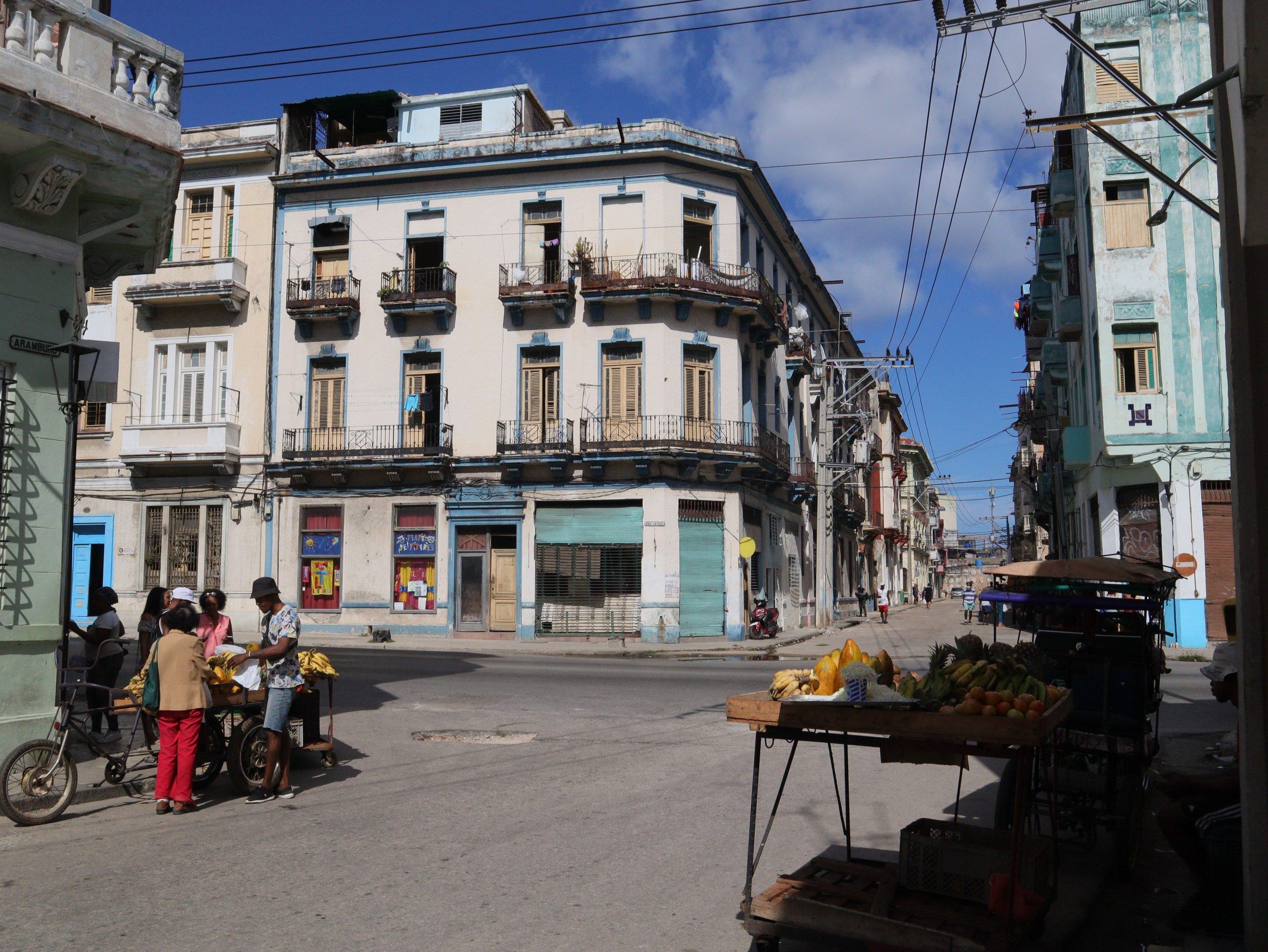
Cuba’s healthcare system, once regarded as one of the strongest in Latin America, is now facing one of the most severe crises in its history. Hospitals across the island are struggling with shortages of medicines, frequent power and water outages, and an ever-growing backlog of patients waiting for surgery. According to available figures, more than 100,000 Cubans are currently on waiting lists for planned surgical procedures.
One of the biggest challenges is the country’s unstable electricity supply. Frequent power outages have disrupted the daily operations of hospitals, making it difficult to run essential medical equipment, sterilization units, and operating rooms. In some regions, interruptions in water supplies have further complicated patient care. As a result, many healthcare facilities have been forced to postpone non-urgent procedures and focus only on emergency cases.
Medical staff are also dealing with a critical shortage of medicines and essential medical supplies. Pharmacies across the country lack many basic drugs, leaving patients unable to obtain common painkillers, antibiotics, and other essential medications. Reports indicate that nearly 70 percent of medicines included on Cuba’s basic pharmaceutical list are currently unavailable, making access to treatment increasingly difficult for many citizens.
The healthcare crisis has been compounded by the spread of infectious diseases. In recent months, the number of chikungunya infections has increased significantly. The virus, transmitted by mosquitoes, has spread more rapidly due to growing sanitation problems. In many areas, garbage collection has been disrupted because of fuel shortages, allowing waste to accumulate and creating ideal breeding conditions for mosquitoes. As a result, many people hesitate to visit hospitals, fearing not only long waiting times but also the risk of infection.
The causes of the crisis remain a subject of political debate. Cuban authorities continue to argue that decades of U.S. sanctions and restrictions on imports, including fuel, have severely affected the country’s economy and healthcare system. Critics of the government, however, contend that years of underinvestment, deteriorating infrastructure, economic mismanagement, and the departure of thousands of healthcare professionals have played an equally significant role in the system’s decline.
The country’s demographic trends have added even more pressure to an already overwhelmed healthcare system. Cuba has experienced a declining birth rate for years while also seeing a large number of citizens emigrate abroad. At the same time, the population is aging, increasing demand for medical services and long-term care. Rising infant mortality rates have also raised concerns, suggesting that problems are now affecting areas that were once considered among the country’s greatest healthcare achievements.
Healthcare experts warn that without substantial investment, reliable energy supplies, and improved access to medicines and medical equipment, conditions are likely to deteriorate further. A healthcare system that once served as a symbol of Cuba’s social achievements is now struggling to provide even basic medical services. For millions of Cubans, the ongoing crisis means longer waiting times for treatment, limited access to healthcare, and growing uncertainty about when the situation in the country’s hospitals will begin to improve.
Photo source: www.pexels.com
Author of this article

WAS THIS ARTICLE HELPFUL?
Support us to keep up the good work and to provide you even better content. Your donations will be used to help students get access to quality content for free and pay our contributors’ salaries, who work hard to create this website content! Thank you for all your support!



OR CONTINUE READING