China escalates pressure in the South China Sea. An old wreck becomes a symbol of power rivalry

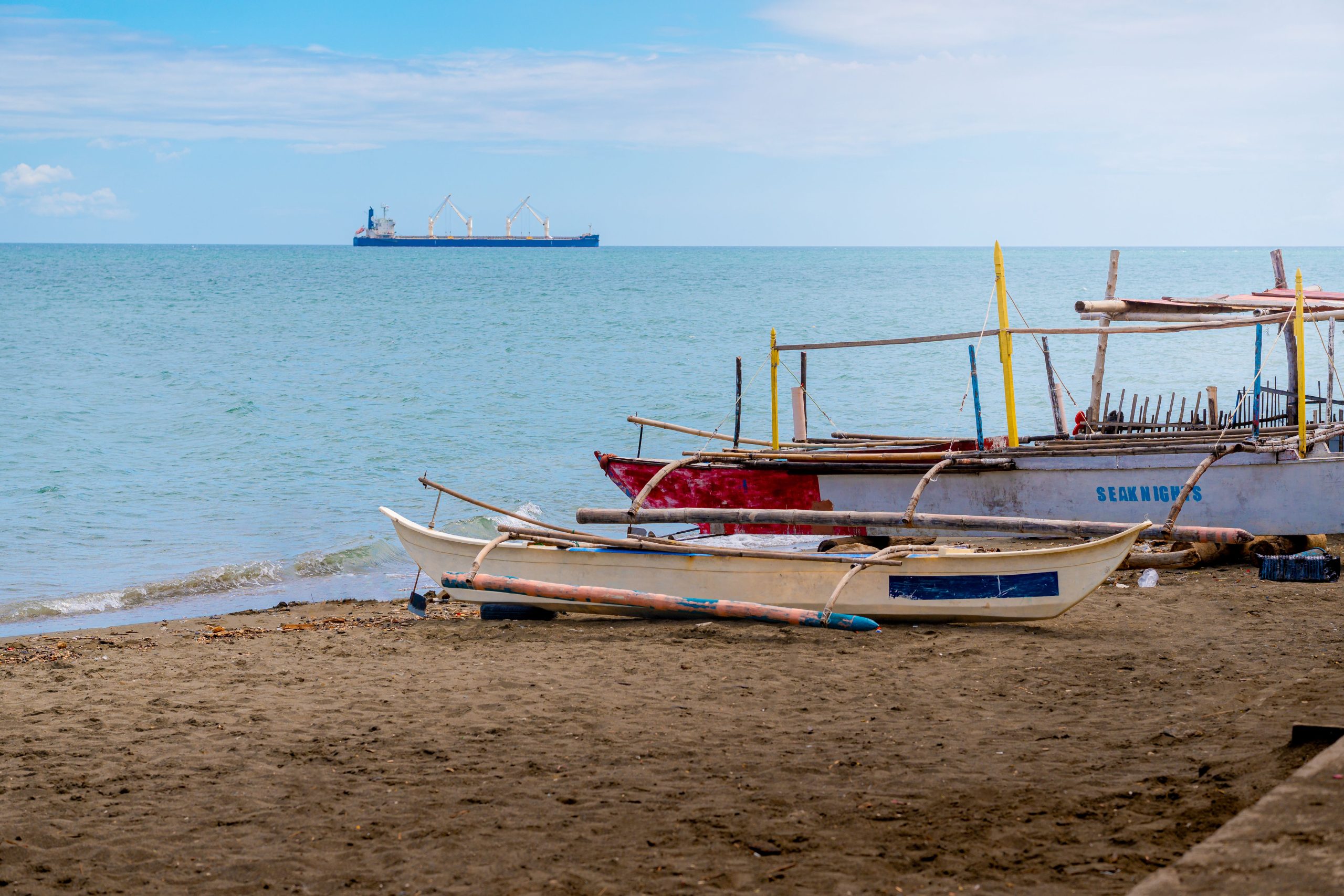
Tensions in the South China Sea continue to rise as China increases pressure on neighboring countries and strengthens its presence in one of the world’s most strategically important maritime regions. At the center of the dispute is an old and heavily damaged Philippine warship that has become a symbol of a much larger geopolitical struggle.
The BRP Sierra Madre, a former Philippine naval vessel, was deliberately positioned on the Second Thomas Shoal in 1999 to serve as a military outpost. Since then, the aging ship has remained a key symbol of the Philippines’ territorial claims in the Spratly Islands. China, however, rejects Manila’s position and continues to assert its own claims over large parts of the South China Sea.
The rusting vessel may appear insignificant, but its location makes it strategically important. The South China Sea is one of the world’s most important shipping routes, with trillions of dollars in annual trade passing through the region. The area is also believed to contain valuable natural resources, including oil, natural gas, and rich fishing grounds.
China has expanded its presence in the region through increased patrols by its coast guard, naval vessels, and other maritime forces. Beijing says its actions are aimed at protecting its territorial sovereignty and maintaining stability. The Philippines and other neighboring countries argue that China’s activities threaten their rights and increase the risk of dangerous confrontations.
The dispute surrounding the BRP Sierra Madre has repeatedly led to tense encounters between Chinese and Philippine vessels. Conflicts have occurred during resupply missions to the outpost, where Philippine personnel stationed on the ship require regular deliveries of food, water, and equipment. Chinese vessels have attempted to restrict these operations, leading to diplomatic protests and international concern.
The Philippines has responded by strengthening cooperation with its allies, particularly the United States and other countries that support freedom of navigation in international waters. Manila argues that international law protects its maritime rights, while China maintains that outside involvement only increases tensions and that disputes should be resolved directly between regional countries.
Experts describe China’s approach as a strategy of gradual pressure. Instead of direct military confrontation, Beijing has relied on a combination of maritime patrols, diplomatic measures, and continuous presence in disputed areas. This allows China to expand its influence while avoiding a large-scale conflict.
The situation has attracted global attention because any serious escalation could affect international trade and regional security. The South China Sea is not only a territorial dispute but also a major test of influence between China and countries seeking to maintain a balance of power in the Indo-Pacific region.
Despite ongoing tensions, all sides continue to state that they want to avoid open conflict. However, the increasing number of incidents at sea shows that the South China Sea remains one of the most sensitive geopolitical hotspots in the world.
The old and damaged warship has therefore become much more than a forgotten military vessel. It represents a wider struggle over territory, influence, and control of one of the planet’s most important maritime areas.
Photo source: www.pexels.com
Author of this article

WAS THIS ARTICLE HELPFUL?
Support us to keep up the good work and to provide you even better content. Your donations will be used to help students get access to quality content for free and pay our contributors’ salaries, who work hard to create this website content! Thank you for all your support!


OR CONTINUE READING