Planning to photograph the solar eclipse? Without proper protection, you could damage your camera – even on your phone !

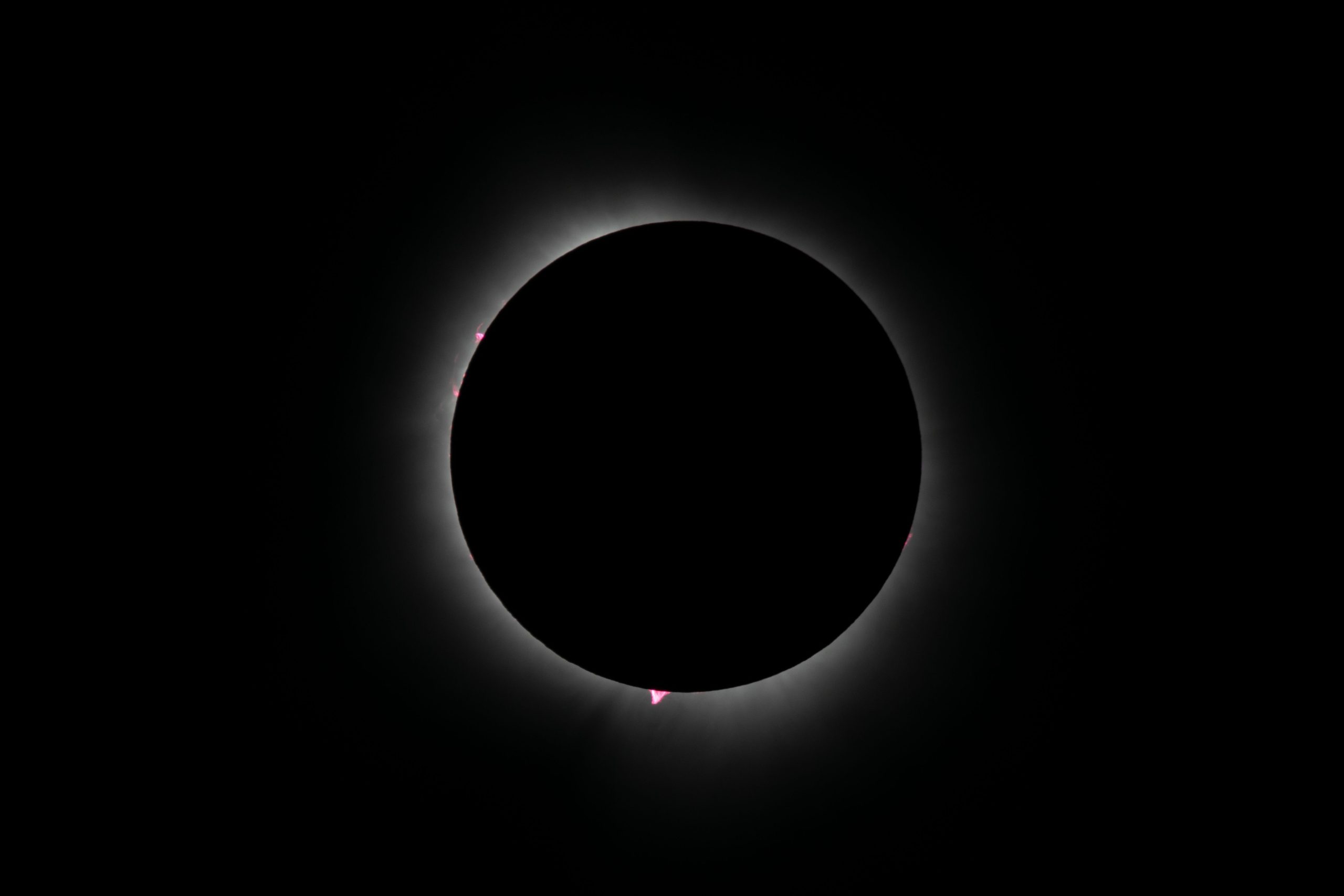
The upcoming solar eclipse is expected to attract millions of skywatchers eager to capture this rare celestial event. While taking photos or recording videos of the eclipse may seem harmless, experts warn that pointing a camera directly at the Sun without proper protection can permanently damage imaging equipment. The risk applies not only to professional cameras but also to the cameras built into modern smartphones.
The main danger comes from the Sun’s extremely intense light. When sunlight passes through a camera lens, it becomes concentrated onto the image sensor. Without a certified solar filter, this concentrated energy can generate excessive heat and permanently damage the delicate electronic components inside the camera. Although smartphone cameras are much smaller than DSLR or mirrorless systems, they rely on equally sensitive image sensors that are vulnerable to intense light exposure.
Many people believe that briefly pointing a smartphone at the Sun cannot cause any harm. However, the level of risk depends on several factors, including how long the camera remains aimed at the Sun, the amount of optical zoom being used, and the surrounding conditions. Recording long videos or taking multiple photos significantly increases the chance of overheating the sensor. Devices equipped with telephoto lenses or optical zoom are particularly susceptible because they concentrate even more sunlight onto the sensor.
The safest way to photograph a solar eclipse is by using a certified solar filter placed over the front of the camera lens. These filters dramatically reduce the amount of light entering the camera while protecting both the optics and the image sensor from excessive heat. Ordinary sunglasses, neutral-density photography filters, smoked glass, or homemade solutions are not designed for direct solar photography and should never be used as substitutes.
If you simply want to record the eclipse using your smartphone while watching the image on the screen instead of looking directly at the Sun, the risk to your eyesight is much lower. Even so, experts recommend limiting the recording time and using an appropriate solar filter whenever possible. Looking directly at the Sun through the optical viewfinder of a DSLR camera without proper protection is especially dangerous and can cause permanent eye damage within seconds.
Capturing high-quality eclipse photographs also requires the right camera settings. A low ISO value, a fast shutter speed, and manual focus usually produce the sharpest results. Using a tripod helps eliminate camera shake, while a remote shutter release or self-timer reduces vibrations caused by pressing the shutter button. These simple techniques can noticeably improve image quality while making the photography process safer and more controlled.
Astronomers emphasize that a solar eclipse is one of nature’s most spectacular astronomical events, but no photograph is worth risking your eyesight or damaging expensive equipment. Taking a few extra precautions, such as using a certified solar filter and avoiding prolonged exposure of your camera to direct sunlight, can help ensure both your device and your eyes remain safe. With the proper preparation, you’ll be able to enjoy the eclipse and capture memorable images without unnecessary risk.
Photo source: www.pexels.com
Author of this article

WAS THIS ARTICLE HELPFUL?
Support us to keep up the good work and to provide you even better content. Your donations will be used to help students get access to quality content for free and pay our contributors’ salaries, who work hard to create this website content! Thank you for all your support!


OR CONTINUE READING