Tesla considers reducing its dependence on China amid rising geopolitical tensions

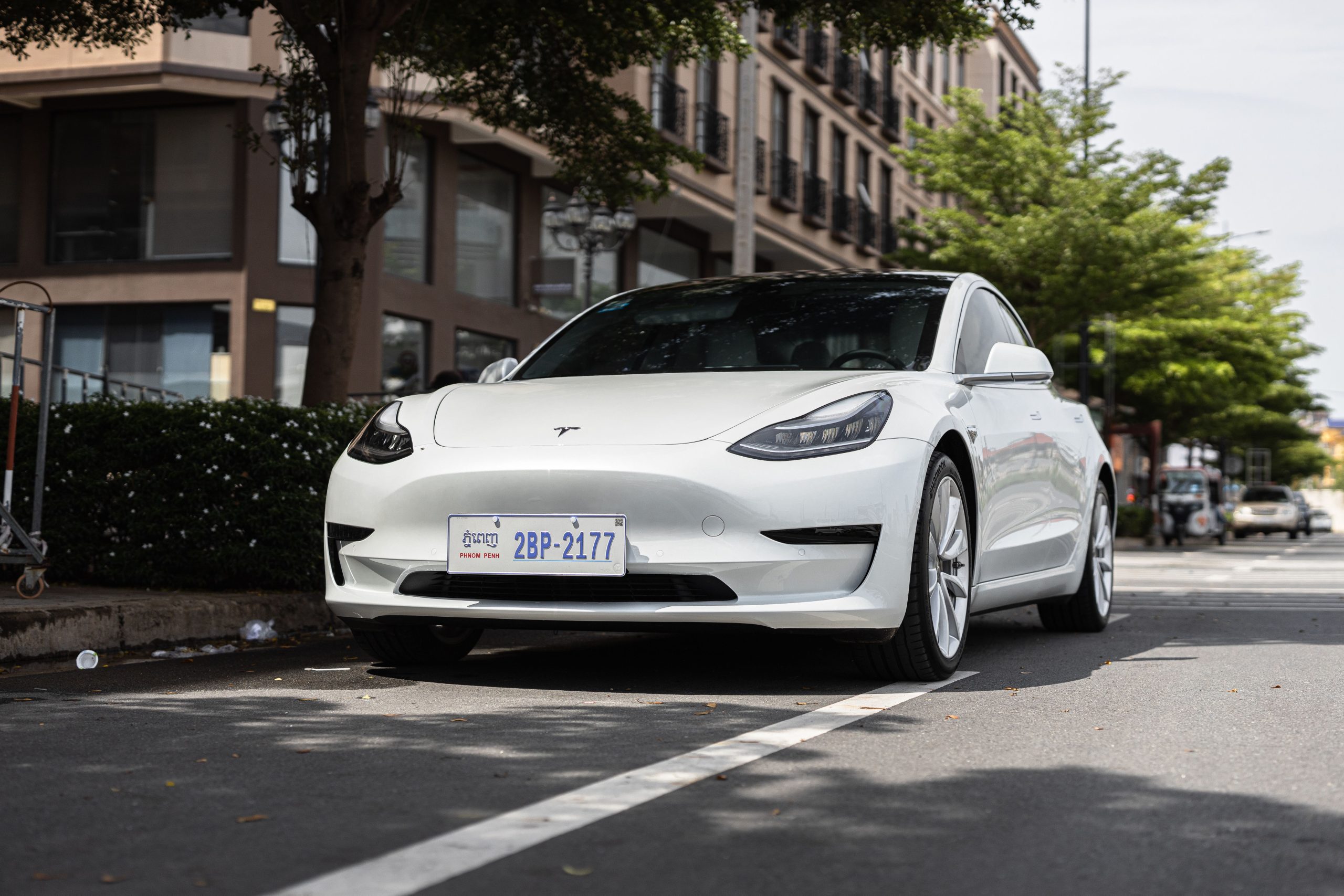
Tesla is reportedly evaluating options to reduce its dependence on the Chinese market as geopolitical tensions between the United States and China continue to grow. According to recent reports, the electric vehicle manufacturer has been exploring several strategic scenarios, ranging from increasing the separation of its Chinese operations to potentially spinning off its business in the country. However, CEO Elon Musk has publicly denied the claims, describing the reports as inaccurate.
China remains one of Tesla’s most important markets worldwide. The company’s Gigafactory in Shanghai is among its most productive manufacturing facilities, producing electric vehicles not only for Chinese customers but also for export to numerous international markets. Supported by an extensive network of local suppliers, the Shanghai plant has become a cornerstone of Tesla’s global production strategy. Any significant reduction in its Chinese operations would therefore represent a major shift in the company’s long-term business model.
Industry analysts believe the discussions are being driven primarily by increasing geopolitical and regulatory concerns. As Tesla expands its artificial intelligence capabilities and autonomous driving technologies, its relationship with SpaceX has also attracted attention. SpaceX plays a significant role as a contractor for the U.S. government and defense sector, leading some observers to suggest that separating Tesla’s Chinese business could reduce regulatory complications if closer cooperation between the two companies were to develop in the future.
Despite these considerations, such a move would be far from straightforward. Over the past several years, Tesla has invested billions of dollars in manufacturing facilities, logistics, and supplier relationships throughout China. A substantial share of the components used in Tesla vehicles originates from Chinese manufacturers, making the country’s industrial ecosystem deeply integrated into the company’s global supply chain. Replacing that infrastructure would require significant investment and years of restructuring.
China also remains a crucial sales market for Tesla. Although domestic electric vehicle manufacturers such as BYD, Xiaomi, and Xpeng have intensified competition, the Chinese market still accounts for a significant portion of Tesla’s global vehicle sales. In addition, the Shanghai Gigafactory serves as an important export hub for customers across Europe and Asia. Any disruption to production could therefore affect vehicle deliveries in multiple international markets.
The speculation surrounding Tesla’s future in China comes at a time when political and economic relations between Washington and Beijing remain increasingly strained. Trade restrictions, technology sanctions, and growing national security concerns have encouraged many multinational corporations to reconsider their manufacturing strategies and diversify their supply chains. This trend extends beyond the automotive industry, affecting semiconductor manufacturers, electronics companies, and other global technology businesses.
For now, however, Tesla has not announced any plans to fundamentally restructure its Chinese operations. Elon Musk has dismissed the reports suggesting that the company is preparing to separate its business in China, insisting that the speculation is unfounded. Investors and industry analysts are expected to closely monitor Tesla’s next strategic decisions as the company navigates both an increasingly competitive electric vehicle market and a rapidly changing geopolitical landscape.
Photo source: www.pexels.com
Author of this article

WAS THIS ARTICLE HELPFUL?
Support us to keep up the good work and to provide you even better content. Your donations will be used to help students get access to quality content for free and pay our contributors’ salaries, who work hard to create this website content! Thank you for all your support!


OR CONTINUE READING