Fed resists Trump pressure as US interest rates stay high over inflation concerns

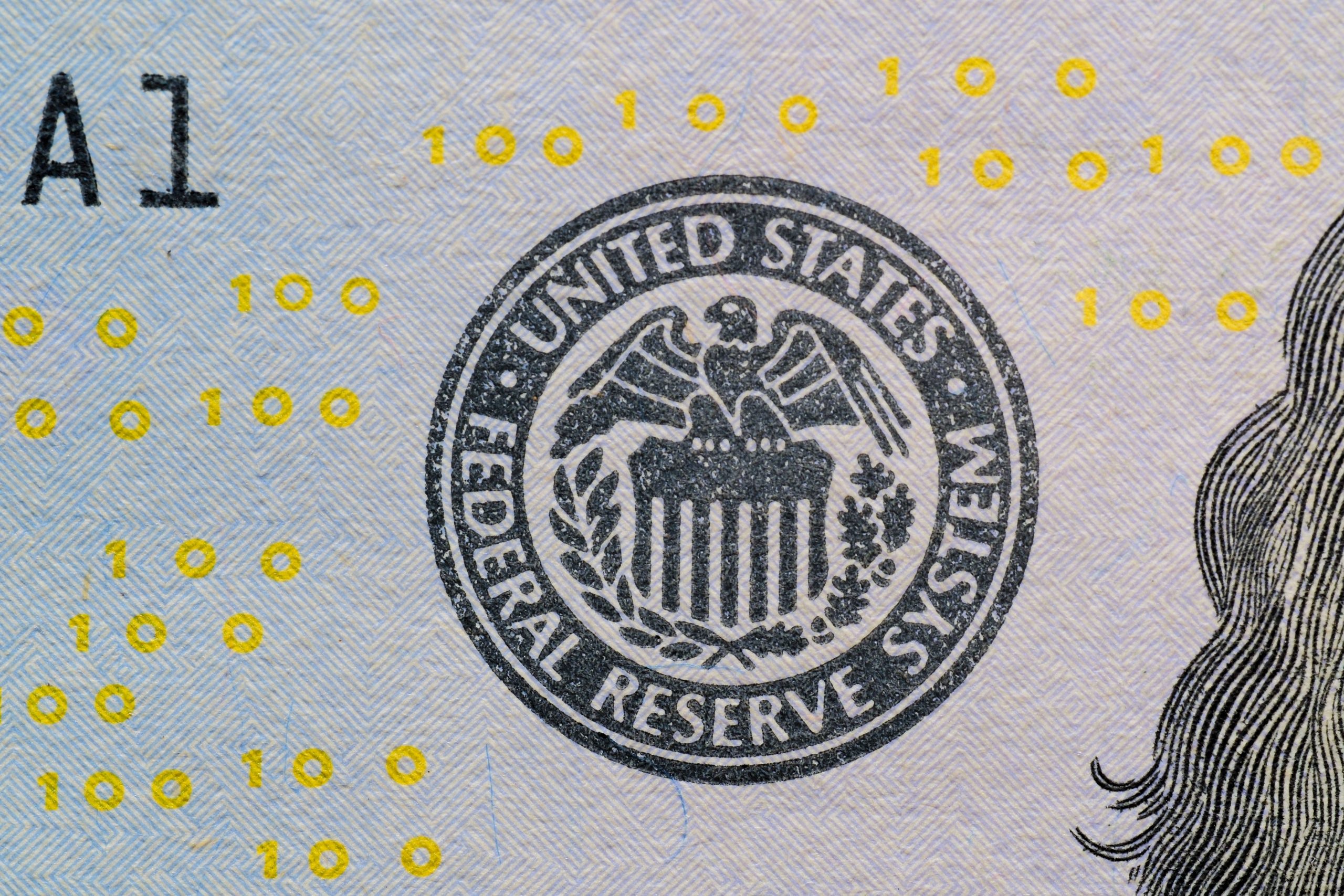
The US Federal Reserve has decided not to follow calls from President Donald Trump for a significant reduction in interest rates. The central bank kept its monetary policy unchanged and signaled that future decisions will continue to depend mainly on inflation trends and economic data rather than political demands.
Trump has repeatedly criticized the Federal Reserve’s cautious approach, arguing that lower interest rates would help strengthen economic growth, encourage business investment, and make borrowing cheaper for households and companies. According to the president, the United States should move toward a much more relaxed monetary policy. The Fed, however, maintains that its primary responsibility is controlling inflation and protecting long-term economic stability.
The decision highlights the continuing debate over the independence of the US central bank. Interest rates are one of the most powerful tools available to policymakers because they influence borrowing costs, consumer spending, business activity, housing markets, and financial investments. While politicians often support lower rates to stimulate growth, central bankers must also consider the risk of renewed inflation.
Inflation remains the key factor behind the Federal Reserve’s cautious strategy. Although price growth has slowed compared with previous peaks, policymakers remain concerned that inflationary pressures could return. Higher energy costs, global uncertainty, and geopolitical tensions continue to create risks that could push prices upward again.
For American consumers, interest rate decisions have a direct impact on everyday finances. Higher rates make mortgages, car loans, credit cards, and business financing more expensive. On the other hand, they also help slow excessive price increases by reducing demand and preventing the economy from overheating.
Financial markets closely follow every move made by the Federal Reserve. Changes in interest rate expectations can quickly affect stock markets, bond yields, and the value of the US dollar. Investors are constantly analyzing statements from Fed officials because even small changes in monetary policy can influence global markets.
The disagreement between Trump and the Federal Reserve is part of a long-running debate about the role of central banks. Presidents often prefer lower interest rates because they can support economic expansion and improve market confidence. Central banks, however, are designed to operate independently and make decisions based on economic conditions rather than short-term political goals.
The Federal Reserve faces a difficult balancing act. Cutting rates too quickly could risk reigniting inflation, while keeping borrowing costs high for too long could slow economic growth and increase pressure on businesses and consumers.
Analysts expect future decisions from the Fed to depend on several key indicators, including inflation data, employment figures, consumer spending, and overall economic performance. The central bank is expected to continue taking a careful approach until there is stronger evidence that inflation is moving sustainably toward its target.
The current situation shows that the disagreement between the White House and the Federal Reserve is far from over. Trump continues to argue for faster rate cuts, while the Fed insists that economic stability must remain its priority.
The outcome of this debate could have global consequences. Because the US dollar and American financial markets play a central role in the world economy, decisions made by the Federal Reserve influence investors, companies, and governments around the globe.
For now, the message from the Fed is clear: interest rate policy will be guided by economic data, not political pressure. The central bank remains focused on maintaining stability while carefully monitoring the future direction of the US economy.
Photo source: www.pexels.com
Author of this article

WAS THIS ARTICLE HELPFUL?
Support us to keep up the good work and to provide you even better content. Your donations will be used to help students get access to quality content for free and pay our contributors’ salaries, who work hard to create this website content! Thank you for all your support!



OR CONTINUE READING