Deutsche Bahn faces new competition from italian rail operator Italo

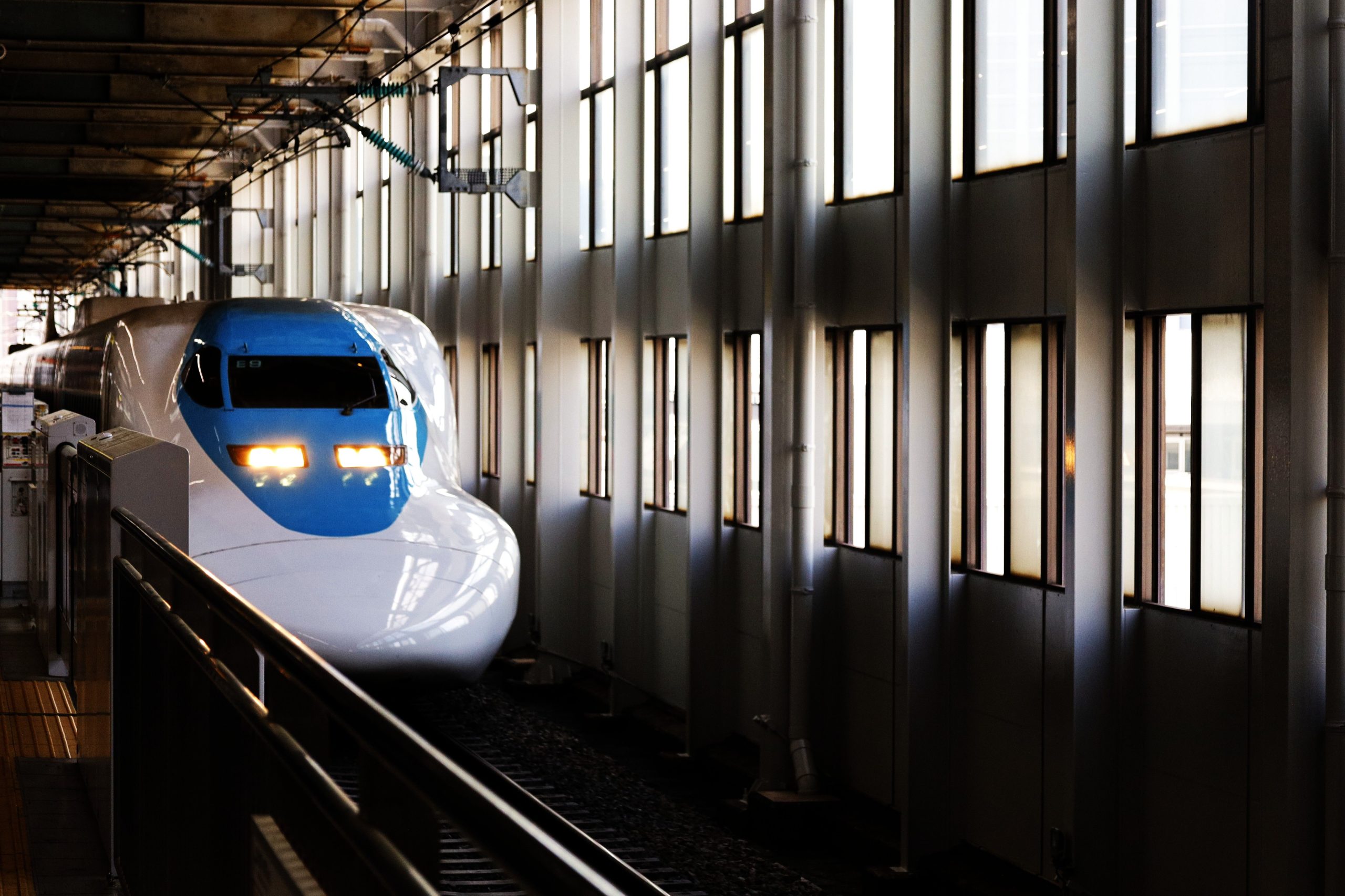
Germany’s railway sector is preparing for one of its biggest transformations in decades. Italian high-speed rail operator Italo is set to enter the German market, ending Deutsche Bahn’s long-standing dominance on key long-distance routes. The move is expected to increase competition, improve service quality, and provide passengers with more travel options and competitive ticket prices.
Italo plans to launch operations in Germany in 2028, focusing on some of the country’s busiest rail corridors. Among the planned routes are Munich–Frankfurt–Dortmund and Munich–Berlin–Hamburg, which together serve millions of passengers every year. The company intends to operate modern Siemens high-speed trains and eventually run up to 50 services per day, offering travelers an attractive alternative to Deutsche Bahn.
The announcement comes at a time when Deutsche Bahn continues to face criticism over delays and reliability issues. Germany’s national railway operator has struggled with aging infrastructure, congested rail networks, and extensive maintenance projects that have significantly affected punctuality. In recent years, delayed trains have become a common frustration for both commuters and long-distance travelers.
Italo is no stranger to competition. In Italy, the company successfully challenged the state-owned operator Trenitalia, helping to create a more competitive rail market. The increased rivalry led to lower ticket prices, more frequent services, and improved passenger comfort. Industry analysts believe a similar outcome could occur in Germany if Italo succeeds in establishing itself as a major player.
The company is betting on modern rolling stock, high-quality customer service, and flexible pricing to attract passengers. Its entry into the German market is also expected to encourage Deutsche Bahn to accelerate investments in its own fleet, improve customer experience, and focus even more on punctuality.
However, transportation experts point out that competition alone will not solve Germany’s railway problems. The country’s biggest challenge remains its aging infrastructure. The German government has already launched a multi-billion-euro modernization program aimed at upgrading major rail corridors, expanding network capacity, introducing digital traffic management systems, and improving signaling technology. These projects are expected to continue throughout the coming years.
If these infrastructure improvements are completed successfully, passengers could benefit from a more reliable railway system combined with increased competition. In many European countries, competition between rail operators has already resulted in lower fares, better onboard services, and greater innovation. Germany now hopes to achieve similar results as its rail market gradually opens to new operators.
For travelers, the arrival of Italo could mark the beginning of a new era in German rail transport. More operators competing for passengers often leads to better service, more frequent departures, and improved value for money. At the same time, Deutsche Bahn will face additional pressure to address long-standing concerns over delays and customer satisfaction.
The first Italo trains are expected to begin operating in Germany in 2028. Until then, preparations will continue, including the delivery of new trainsets, staff recruitment, and coordination with Germany’s rail infrastructure. If the project proves successful, it could become one of the most significant developments in the European railway industry in recent years, setting a new standard for competition and passenger service across the continent.
Zdroj foto: www.pexels.com
Author of this article

WAS THIS ARTICLE HELPFUL?
Support us to keep up the good work and to provide you even better content. Your donations will be used to help students get access to quality content for free and pay our contributors’ salaries, who work hard to create this website content! Thank you for all your support!


OR CONTINUE READING