Lithium-ion battery prices have fallen by more than 99 percent

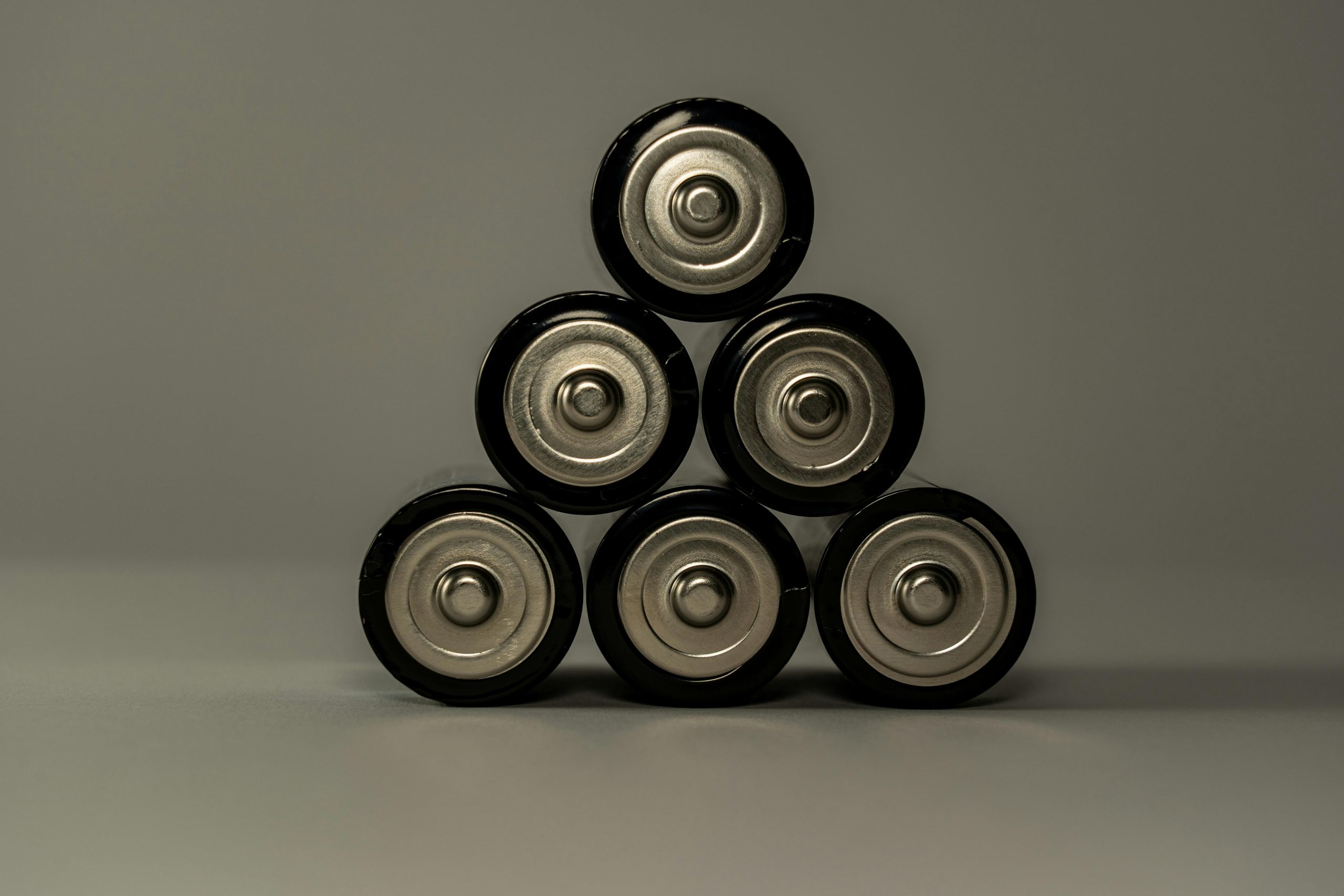
Just a few decades ago, lithium-ion batteries were considered an expensive and highly specialized technology used only in a limited number of devices. Today, they power everything from smartphones and laptops to electric vehicles and large-scale energy storage systems. One of the main reasons behind their widespread adoption is a dramatic decline in cost. Since the first commercial lithium-ion batteries entered the market in the early 1990s, the price of battery capacity has dropped by more than 99 percent. This remarkable transformation has reshaped industries and accelerated the global shift toward cleaner energy solutions.
In 1991, the cost of storing one kilowatt-hour of energy in a lithium-ion battery was approximately $9,200. By 2025, that figure had fallen to around $78 per kilowatt-hour. Few technologies in modern history have experienced such a significant reduction in price over such a relatively short period. What was once considered prohibitively expensive is now affordable enough to support mass-market applications across the globe.
The decline in battery costs has played a crucial role in the rapid growth of the electric vehicle industry. Global sales of electric cars continue to rise each year, and lower battery prices have helped manufacturers reduce production costs while making EVs more accessible to consumers. A decade ago, the battery pack represented one of the most expensive components of an electric vehicle. Today, improvements in battery technology and manufacturing have significantly reduced its share of the overall vehicle cost.
Several factors have contributed to this price collapse. Advances in manufacturing processes have made production more efficient, while the expansion of large-scale battery factories has created substantial economies of scale. As production volumes increased, companies were able to lower costs and improve performance simultaneously. Competition among manufacturers has also intensified, driving innovation and pushing prices even lower.
China has played a particularly important role in this development. The country has become the world’s leading producer of lithium-ion batteries and a dominant player in the processing of critical raw materials used in battery production. Massive investments in mining, refining, and manufacturing have helped create an integrated supply chain that has significantly reduced costs throughout the industry.
Raw material prices have also influenced battery costs. After reaching record highs in 2022, lithium prices experienced a substantial decline, easing pressure on manufacturers and contributing to lower battery prices. In some regions, falling prices even led to reduced mining activity as producers adjusted to changing market conditions.
The impact of cheaper batteries extends far beyond transportation. Energy storage has become one of the fastest-growing sectors in the global energy market. Renewable energy sources such as solar and wind power generate electricity intermittently, making reliable storage solutions increasingly important. As battery prices continue to fall, large-scale storage systems are becoming economically viable, helping utilities balance electricity supply and demand more effectively.
Experts point out that the price of battery cells alone does not represent the total cost of a complete battery system. Cooling systems, electronics, safety mechanisms, wiring, and assembly all add to the final price. Nevertheless, battery cell costs remain one of the most important indicators of technological progress and are widely used to measure the industry’s development.
The story of lithium-ion batteries demonstrates how technological innovation, global competition, and large-scale production can transform an industry. What began as an expensive niche technology has become a cornerstone of modern life. If current trends continue, further cost reductions could accelerate the adoption of electric vehicles, renewable energy, and advanced energy storage solutions, helping shape a more sustainable future.
Photo source: www.pexels.com
Author of this article

WAS THIS ARTICLE HELPFUL?
Support us to keep up the good work and to provide you even better content. Your donations will be used to help students get access to quality content for free and pay our contributors’ salaries, who work hard to create this website content! Thank you for all your support!


OR CONTINUE READING