The end of cheap flights? Airlines raise prices and cut routes amid rising costs

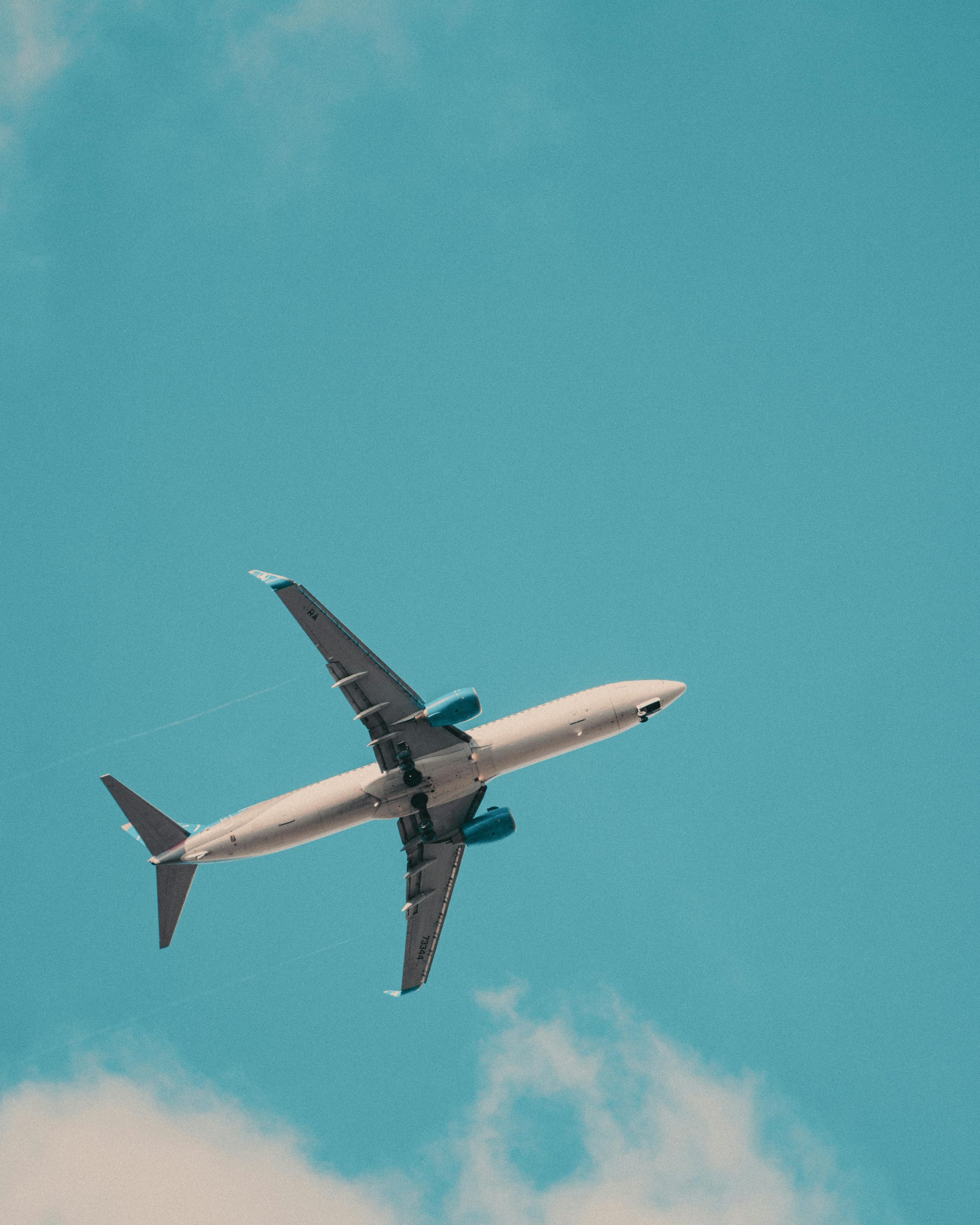
The aviation industry is currently facing growing challenges that are reshaping the way people travel. While airlines initially expected strong growth and expanding networks, rising operational costs—especially fuel prices—have forced them to rethink their strategies.
One of the most visible consequences is the increase in ticket prices. Airlines are passing part of the financial burden onto passengers, making air travel less affordable than it used to be. This shift is particularly significant for low-cost carriers, whose business models rely on maintaining very low prices.
In addition to higher fares, airlines are also reducing the number of available routes. Less profitable connections are being cancelled, especially shorter or less busy flights. This trend is visible across multiple regions, reflecting the broader pressure on the industry.
Low-cost airlines are among the most vulnerable in this situation. With thinner profit margins, they are more exposed to rising expenses. Some have already faced serious financial difficulties, and in certain cases, this has led to the complete shutdown of operations.
Geopolitical tensions further complicate the situation by affecting fuel prices and supply chains. As a result, airlines must deal not only with economic pressures but also with uncertainty about future developments. Overall, the aviation sector is undergoing a period of adjustment. Airlines are trying to balance costs and demand, while passengers may need to adapt to higher prices and fewer travel options.
Photo source: www.pexels.com
Author of this article

WAS THIS ARTICLE HELPFUL?
Support us to keep up the good work and to provide you even better content. Your donations will be used to help students get access to quality content for free and pay our contributors’ salaries, who work hard to create this website content! Thank you for all your support!



OR CONTINUE READING