Trump escalates threats toward allies as tensions grow in global diplomacy

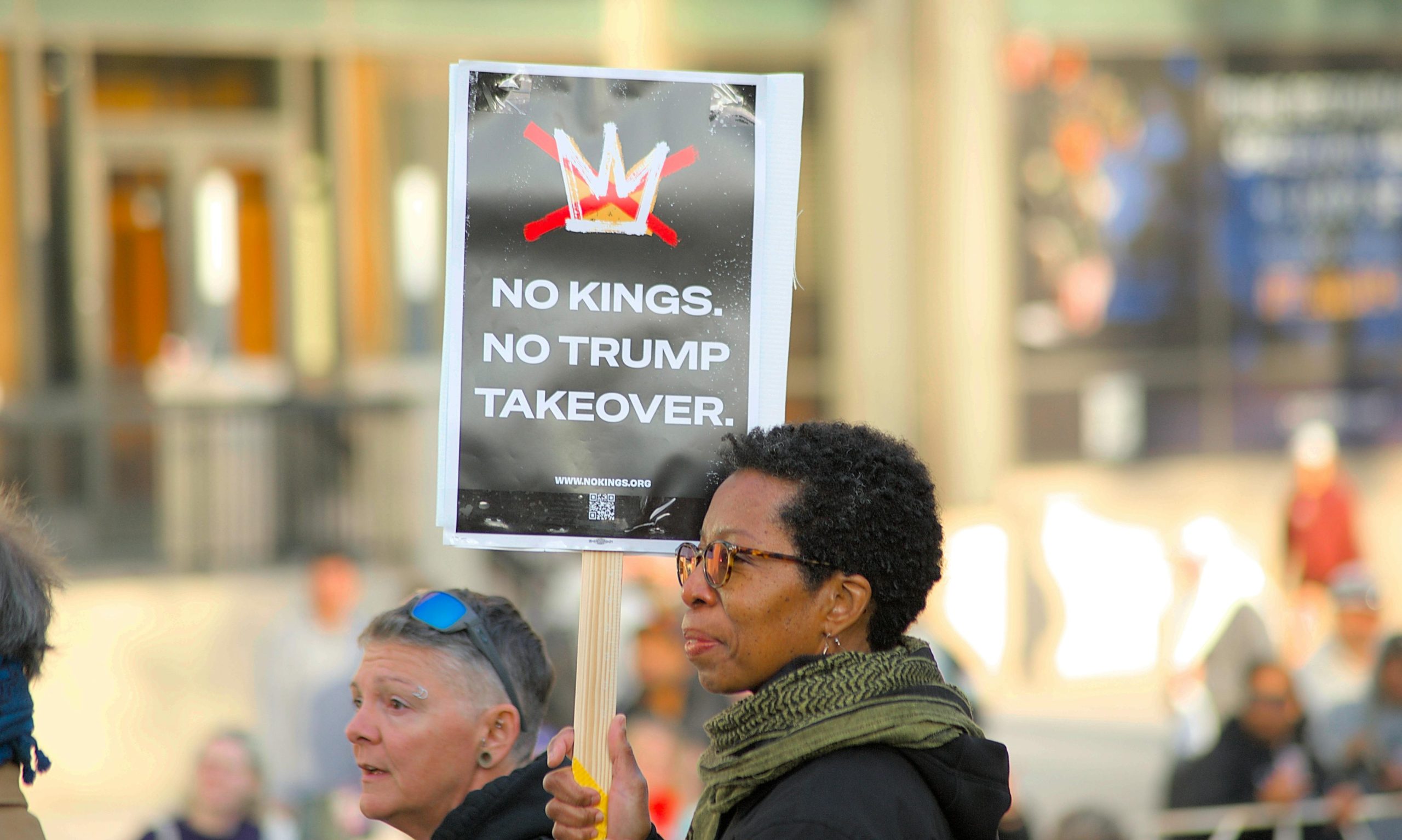
U.S. President Donald Trump has increasingly intensified his rhetoric toward both rivals and long-time allies of the United States. According to international media reports, Trump has publicly threatened or pressured more than fifteen countries during his current presidency. The list reportedly includes NATO members, Middle Eastern partners, and several Latin American nations.
The latest controversy emerged after Trump made sharp comments directed at Oman during discussions about security in the Strait of Hormuz. Trump warned that if Oman failed to “cooperate,” the United States could respond aggressively. Oman has traditionally been considered one of Washington’s key partners in the Middle East and has often acted as a mediator in diplomatic talks with Iran. His remarks surprised many diplomats and international observers.
Tensions have also increased within NATO. Trump has repeatedly criticized European members for what he describes as insufficient defense spending and limited support for U.S. military operations near the Persian Gulf. Several European countries reportedly refused to provide military bases or logistical support for potential actions against Iran, which Trump described as weakness and a failure of alliance solidarity. He has once again hinted at reducing American support for NATO or partially withdrawing from the alliance.
Political analysts see these actions as part of Trump’s long-standing “America First” strategy, which prioritizes U.S. national interests over traditional diplomatic relationships. Trump frequently uses economic pressure, trade restrictions, and military threats as tools of foreign policy. In previous disputes, he threatened trade sanctions against Spain over military base disagreements and pressured Mexico and Colombia regarding migration and border security policies.
Trump’s approach toward Latin America has also triggered strong reactions. Media outlets continue to highlight his aggressive rhetoric toward Venezuela, Cuba, and Nicaragua. Following recent U.S. military operations connected to Venezuela, Trump suggested that similar interventions could occur elsewhere in the region. Critics argue that such statements risk destabilizing diplomatic relations across the Western Hemisphere.
The White House is simultaneously increasing pressure related to the ongoing tensions around Iran and the Strait of Hormuz, one of the world’s most strategically important shipping routes. A significant portion of global oil exports passes through the strait, making the region highly sensitive for global markets. The United States has urged allies to participate more actively in protecting international shipping routes, but several European and Asian governments remain cautious about direct involvement in a possible military conflict.
Experts warn that the increasingly confrontational style of American diplomacy could weaken long-term alliances and reduce trust between international partners. At the same time, Trump’s administration argues that a tougher foreign policy approach is necessary to defend American economic and security interests during a period of growing geopolitical instability.
Photo source: www.pexels.com
Author of this article

WAS THIS ARTICLE HELPFUL?
Support us to keep up the good work and to provide you even better content. Your donations will be used to help students get access to quality content for free and pay our contributors’ salaries, who work hard to create this website content! Thank you for all your support!

OR CONTINUE READING