Cuba accepted American aid. Behind the humanitarian support lies geopolitical pressure

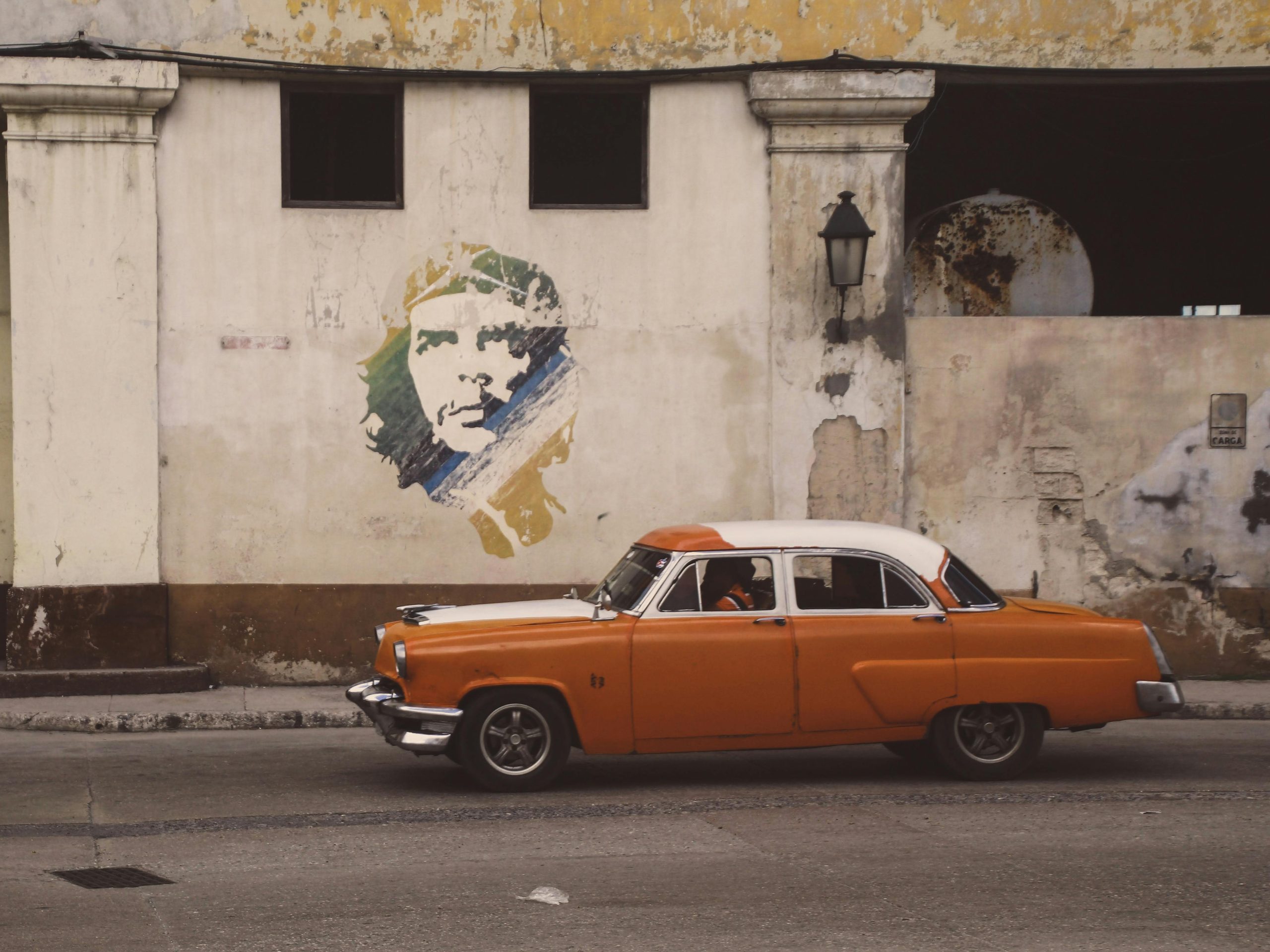
Relations between the United States and Cuba are once again drawing international attention. According to U.S. Secretary of State Marco Rubio, the Cuban government has accepted an offer of humanitarian aid worth 100 million dollars. The assistance is expected to include medicine, food, and other essential supplies for the island, which has been struggling with a deep economic and energy crisis in recent months. However, the situation also shows that this is not only a humanitarian gesture, but part of Washington’s continuing political pressure on the Cuban regime.
At the same time, the United States insists that the aid should not be distributed directly by the Cuban government. According to the American administration, organizations such as charities or the Catholic Church should participate in the distribution process instead. Washington is signaling that it does not fully trust the current Cuban leadership and does not want the aid to strengthen the position of President Miguel Díaz-Canel’s government.
Cuba has been facing one of its worst crises in decades. Residents are dealing with frequent blackouts, shortages of fuel, medicine, and basic food supplies. The situation has also been worsened by American sanctions, which complicate trade and the import of certain goods and raw materials. Analysts warn that the country is approaching a humanitarian crisis, while the government is struggling to maintain the normal functioning of the economy.
Donald Trump’s administration has recently taken a much tougher stance toward Cuba. The United States openly criticizes the Cuban communist regime and has long supported efforts to weaken it politically and economically. Washington has also increased pressure on countries and companies that trade with Cuba, especially in the energy sector. The goal is to reduce the Cuban government’s financial resources and push it toward political change.
Tensions between the two countries, however, have a much longer history. U.S. sanctions against Cuba have been in place since the 1960s and have become a symbol of the complicated relationship between Havana and Washington. Relations briefly improved during Barack Obama’s presidency, when diplomatic ties were restored and both countries attempted to normalize relations. Donald Trump’s harder approach later reversed much of that progress.
On the other hand, the Cuban leadership says it is willing to negotiate, but rejects any interference with the country’s sovereignty. President Miguel Díaz-Canel has repeatedly stated that Cuba will not accept conditions that could threaten its independence or increase foreign influence over domestic politics.
The acceptance of American humanitarian aid therefore raises an important question: is it truly only about helping the Cuban people, or is it also another tool of geopolitical pressure? The situation demonstrates that relations between the United States and Cuba remain highly sensitive and continue to be shaped by decades of historical and ideological conflict.
Photo source: www.pexels.com
Author of this article

WAS THIS ARTICLE HELPFUL?
Support us to keep up the good work and to provide you even better content. Your donations will be used to help students get access to quality content for free and pay our contributors’ salaries, who work hard to create this website content! Thank you for all your support!


OR CONTINUE READING