Trump criticizes the Pope and claims influence over his election

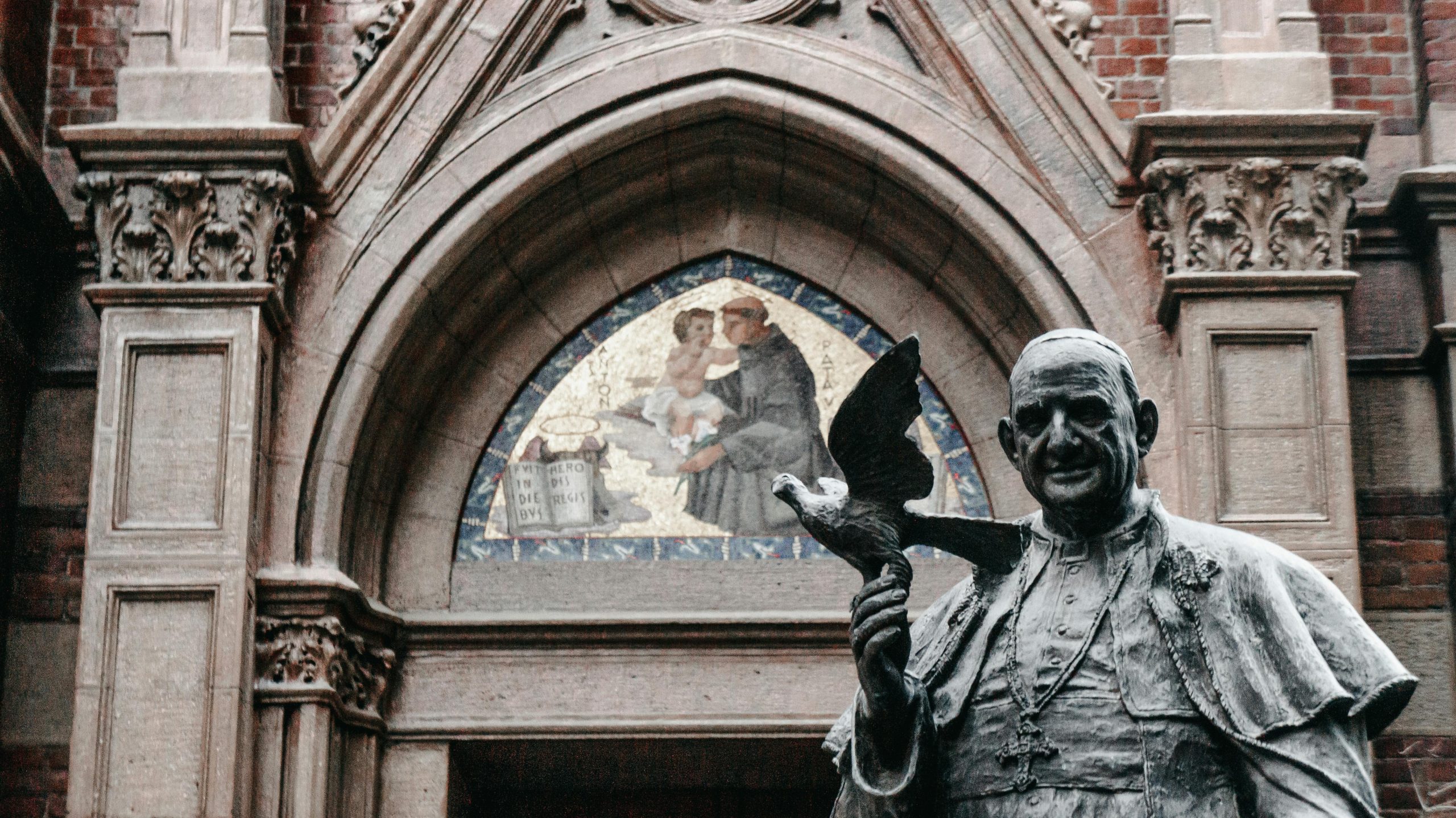
U.S. President Donald Trump has once again sparked controversy, this time targeting the head of the Catholic Church, Pope Leo XIV. In his remarks, Trump suggested that the pope should reconsider his positions and even implied that he had some influence over his election.
Trump’s criticism focused mainly on differences in political views. He accused the pope of being too weak on issues such as crime, migration, and foreign policy. According to Trump, the pope’s approach does not sufficiently address current global security challenges.
He also expressed dissatisfaction with the pope publicly criticizing U.S. policies. Trump emphasized that his decisions reflect the will of American voters and that he is fulfilling the mandate he was given during the election.
Tensions between the two figures are not entirely new. The pope has previously voiced criticism of certain policies of the U.S. administration, particularly regarding immigration practices and international conflicts. He consistently promotes humanitarian values and opposes the use of violence as a solution to global disputes.
Trump, on the other hand, represents a more hardline approach, especially in matters of national security and border control. These contrasting perspectives have now escalated into open criticism. His claim about influencing the pope’s election is widely seen as rhetorical rather than factual.
The situation highlights the broader tension between politics and religion. While the pope often acts as a moral voice on global issues, political leaders tend to prioritize national interests, which can lead to conflicts in messaging and values.
Public reactions to Trump’s statements have been mixed. Supporters view his comments as a defense of national policy, while critics argue that such remarks toward a religious leader are inappropriate. Overall, the dispute reflects deeper divisions in both domestic and international discourse, where political pragmatism and moral perspectives increasingly clash.
Photo source: www.pexels.com
Author of this article

WAS THIS ARTICLE HELPFUL?
Support us to keep up the good work and to provide you even better content. Your donations will be used to help students get access to quality content for free and pay our contributors’ salaries, who work hard to create this website content! Thank you for all your support!


OR CONTINUE READING