US and Venezuela on the threshold of a new oil deal

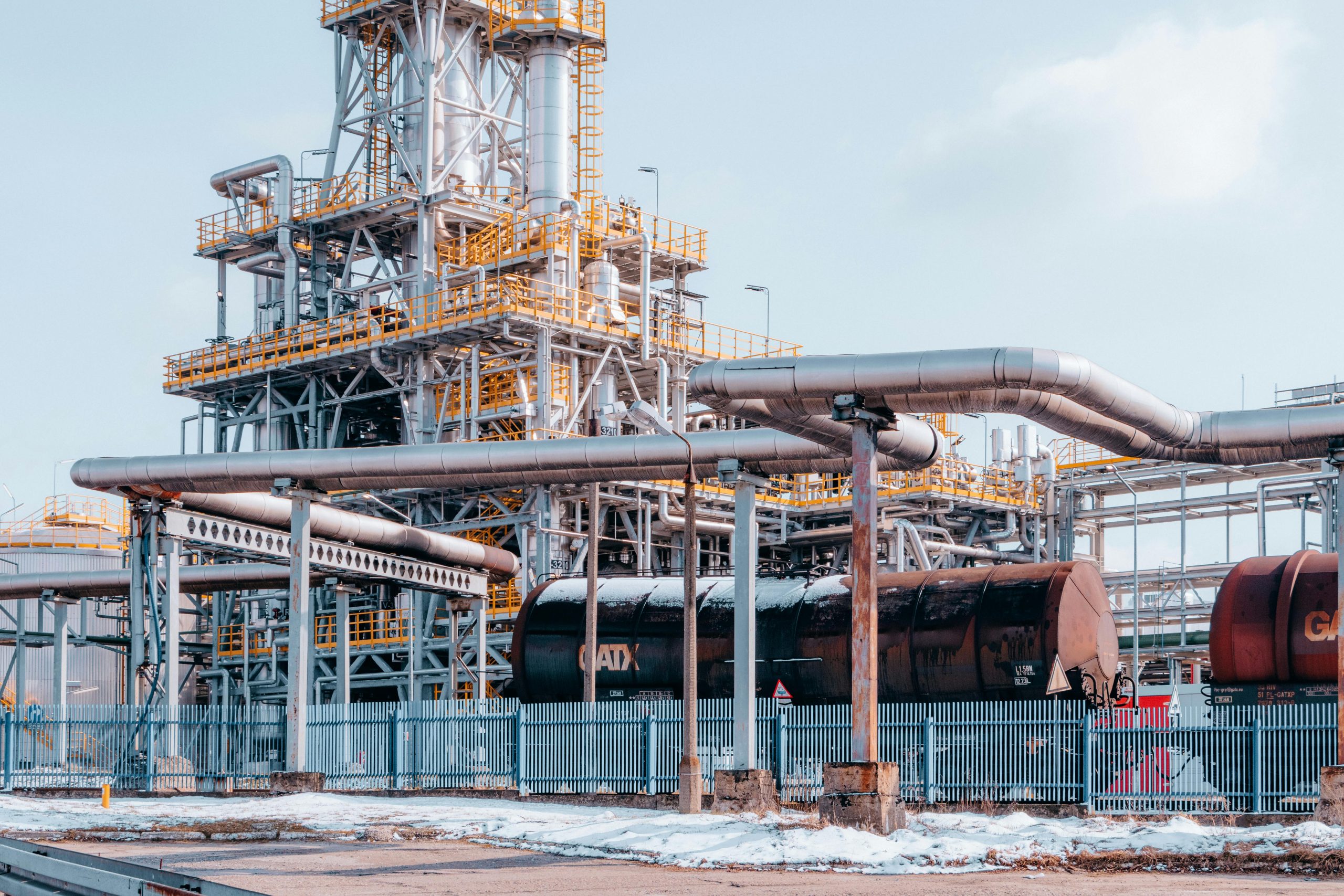
The news that Venezuela will hand over up to 50 million barrels of oil to the United States represents a significant shift in geopolitics and energy that also reflects the deeper conflicts and strategic interests of both countries.
According to US President Donald Trump, Caracas has agreed to transfer a significant amount of oil – between 30 and 50 million barrels – which will be channelled to US ports and sold at market prices. Trump has stressed that he will personally control the proceeds of the sale, with the aim of ensuring that both the United States and the people of Venezuela benefit from them. This initiative comes in the context of rapid political changes in Venezuela. The United States recently undertook a military intervention that resulted in the capture of President Nicolás Maduro, prompting harsh criticism from Caracas. The Venezuelan government and its officials have described the action as a kidnapping and a violation of international law, while Washington is presenting it as a step towards restoring democracy and stabilising the situation in the country.
Venezuela has the largest proven oil reserves in the world, estimated at around 300 billion barrels, which represents about a fifth of global reserves. Yet its production has fallen dramatically in recent years, mainly due to political instability, underinvestment and international sanctions that have restricted oil exports and limited access to finance and technology.
According to experts, the increase in oil exports and their transfer to the US market could itself affect the global supply of crude. It is expected that longer supplies of Venezuelan crude to the US could add further pressure to oil prices on world markets, which are already facing oversupply. Some estimates suggest the possibility of a strengthening of US oil dominance, although this is more likely to be a medium- or long-term phenomenon.
The Trump administration has also suggested that US energy companies could play a key role in reviving Venezuela’s oil infrastructure, which has been neglected for decades. Thus, Trump wants to allow companies like Chevron, ExxonMobil and ConocoPhillips to return to Venezuelan markets and invest in upgrading production and refining. However, this plan is facing scepticism from some companies, who point to the high costs, legal uncertainty and the unclear future of the political regime in Caracas.
The crucial question is how the proceeds from the sale of oil will be distributed and how relations between the US and the other main buyers of Venezuelan oil will change, particularly China, which has long been one of the largest buyers of the commodity. Some oil cargoes previously destined for China may be diverted to the US market, which could mark a further shift in global energy trade flows
Photo source: www.pexels.com
Author of this article

WAS THIS ARTICLE HELPFUL?
Support us to keep up the good work and to provide you even better content. Your donations will be used to help students get access to quality content for free and pay our contributors’ salaries, who work hard to create this website content! Thank you for all your support!


OR CONTINUE READING