The myth of China passing the U.S. falls: Who will lead the global economy in 2040?

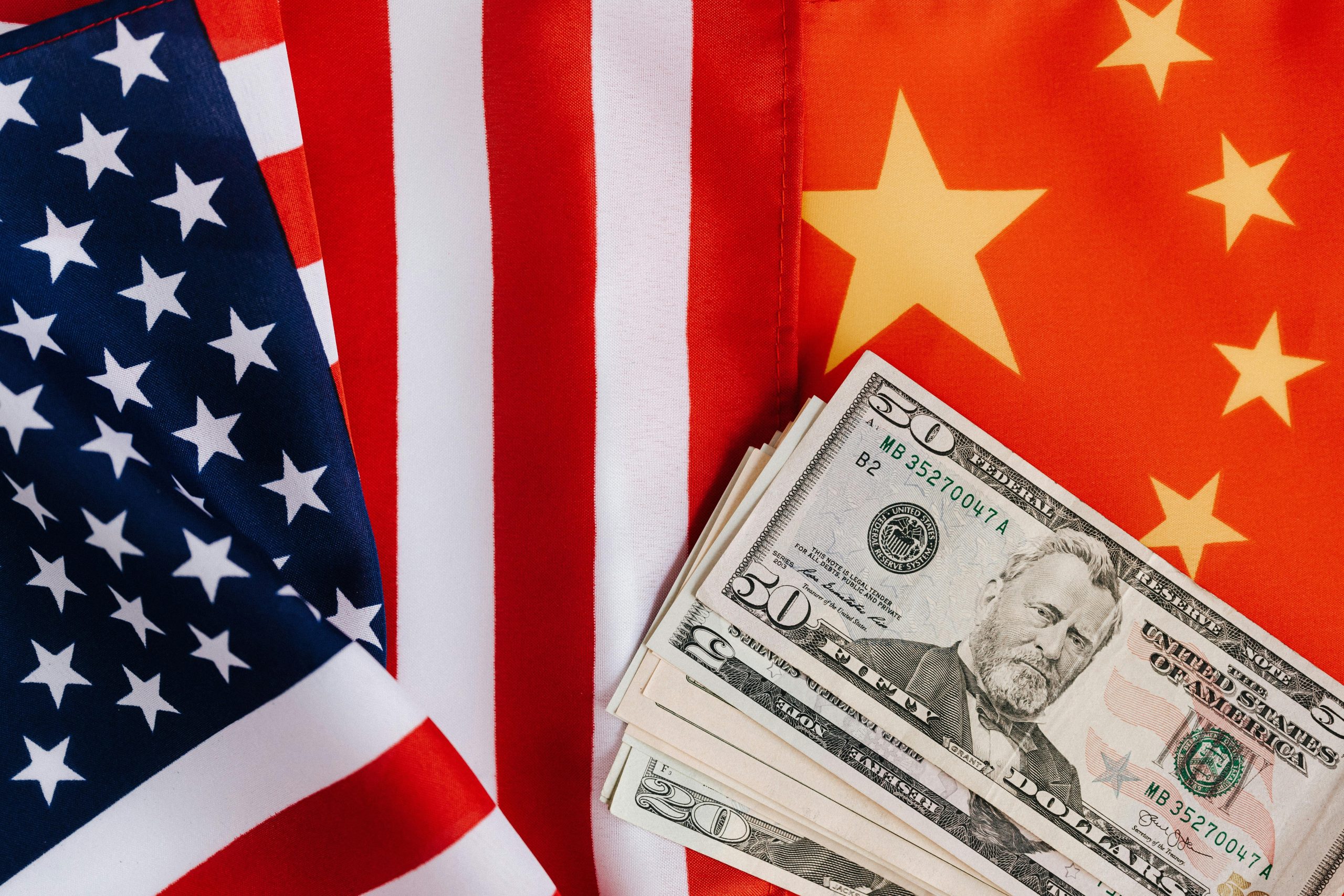
The long-standing belief that China will overtake United States as the world’s dominant economic superpower by 2040 is losing traction among many economists. Recent forecasts paint a more nuanced picture of the global economic landscape — one in which neither nation holds an uncontested claim to first place, and where other emerging economies play an increasingly important role.
Why the China-US Narrative Is Changing
For decades, China’s rapid economic growth — driven by export-oriented manufacturing, infrastructure investment, and state-led development — fueled predictions that it would soon outgrow the U.S. economy. Experts once expected China’s GDP to eclipse that of the United States as early as the 2030s. However, newer data and demographic trends suggest that China’s momentum may be slowing. Factors such as an aging population, rising debt levels, and diminishing returns on past investment models indicate the country may face significant headwinds in the coming decades.
Meanwhile, the U.S. economy still enjoys strengths that bolster its global position. These include a leading role in technology and innovation, a deep and liquid financial system, and a currency that remains the world’s dominant reserve unit. Flexible labor and capital markets also help insulate the U.S. from some pressures facing other major economies.
Forecasts for 2040: A More Diverse Economic Order
A number of forecasts now project that by 2040 the global economy will be more balanced, with several countries vying for the top ranks rather than a simple China-versus-U.S. competition. Emerging markets such as India, Indonesia and Brazil are all expected to grow rapidly, driven by young populations, expanding consumer markets, and increased industrial output.
For example, Indonesia is projected to climb significantly in global GDP rankings due to strong labor markets, manageable public debt, and consistent productivity gains. Brazil — despite its own structural challenges — could return to the world’s top ten economies by 2040. These shifts underscore a broader trend: the world economy is moving toward greater multipolarity, where multiple countries share influence rather than a single dominant power.
The Limits of GDP as a Measure of Power
It’s important to note that raw GDP figures do not tell the full story of economic leadership. Even if China were to match or exceed U.S. GDP at some point, that metric alone would not automatically confer global dominance. Factors such as per-capita income, technological innovation, military capabilities, financial system depth, institutional strength, and geopolitical alliances all influence a nation’s global standing. Analysts argue that economic size must be weighed alongside these qualitative dimensions to understand true influence.
As China’s growth slows from the double-digit rates of past decades, its economic expansion is expected to become more modest. At the same time, the U.S. maintains important comparative advantages in sectors like artificial intelligence, advanced manufacturing, and financial services. These strengths could help the U.S. sustain a leading role well into mid-century.
Conclusion: A Multipolar Economic Future
Rather than a dramatic takeover by China or America’s unchallenged supremacy, the most credible forecasts for 2040 point toward a multipolar economic world. In this envisioned future, several large economies will contribute to global growth and compete for influence. While China will remain a major economic force and the United States a key innovator and financial hub, other nations such as India and Indonesia are rapidly rising into prominence. The myth of a simple East-West economic takeover — whether Beijing over Washington, or vice versa — is therefore giving way to a more complex reality. The global economic order of 2040 is likely to be shaped not by a single dominant power, but by a constellation of strong and interconnected economies.
Photo source: www.pexels.com
Author of this article

WAS THIS ARTICLE HELPFUL?
Support us to keep up the good work and to provide you even better content. Your donations will be used to help students get access to quality content for free and pay our contributors’ salaries, who work hard to create this website content! Thank you for all your support!

OR CONTINUE READING