Real night may disappear by 2030: astronomers warn of dramatic change in our skies

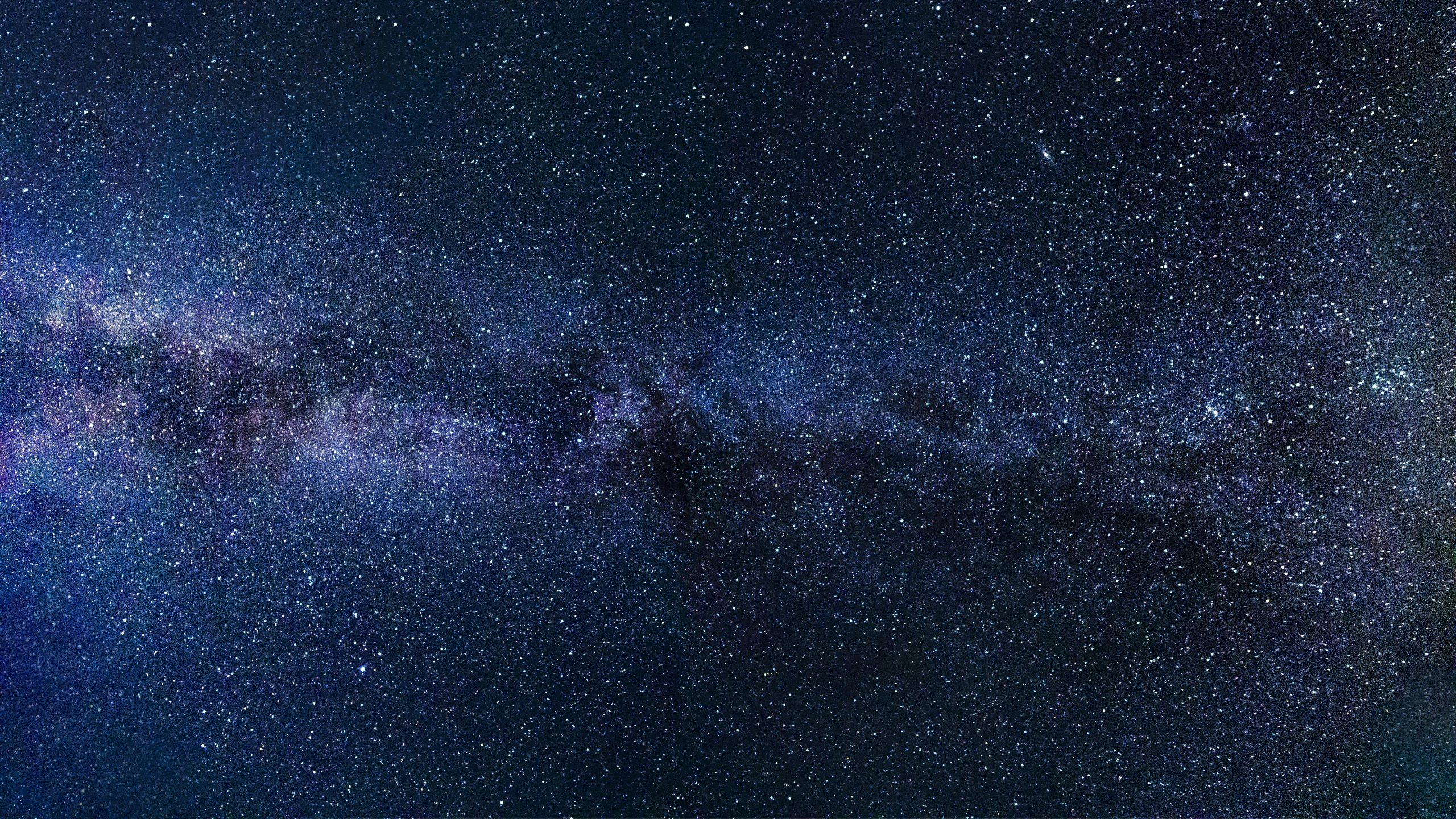
The idea that the night sky will one day cease to exist as mankind has known it for thousands of years sounds like science fiction. Yet that’s what many astronomers and scientific institutions are now saying. The meteoric rise of satellites in low Earth orbit could make the dark night with its thousands of stars disappear in a few years. And if current estimates come true, it will happen as early as around 2030.
According to experts, the current rate of launch of communications satellites is so fast that it exceeds the possibilities of regulation and technical safeguards. Massive constellations such as Starlink are playing the biggest role, adding hundreds more devices to their networks every month. There are roughly 15,000 active satellites in orbit today – and the number is growing fast.
These satellites are not just little dots on radars. Each of them reflects light, moving at high speed and distorting the dark skies over the world. Astronomers have been registering the long light trails in photographs for years, but only now is it becoming clear just how big a problem this is. The dark skies that were mankind’s natural heritage are becoming a light-polluted “canvas” full of artificial reflections.
But the consequences are not only aesthetic. Experts warn that astronomical research could suffer a major blow. Faint objects, distant galaxies or asteroids will become increasingly difficult to track because of interference. Even large observatories located in remote areas are already reporting interference and inaccuracies in their data. If satellites pollute the sky so much that observations cannot be made with high accuracy, this could slow down an entire branch of science that is moving us towards understanding the Universe.
Added to this are the environmental impacts. Darkness is not just a romantic feature, but a key landmark for hundreds of species. Many creatures are guided by it for migration, hunting and reproduction. The loss of ‘true darkness’ can disrupt their rhythms, behaviours and natural cycles – and globally.
Astronomers are therefore calling on international authorities to set global rules and limits as soon as possible. Without coordinated regulation, limits on the number of satellites and stricter technical requirements (e.g. adjusting the reflectivity of surfaces), the rate of growth will be so high that the process cannot be reversed.
Warnings that sounded exaggerated just a few years ago are now becoming real. Unless current developments change, the human view of the night sky may look very different in a few years – perhaps without stars, without darkness, and without the mysterious depth of space that we have always perceived as part of our existence.
Photo source: www.pexels.com
Author of this article

WAS THIS ARTICLE HELPFUL?
Support us to keep up the good work and to provide you even better content. Your donations will be used to help students get access to quality content for free and pay our contributors’ salaries, who work hard to create this website content! Thank you for all your support!



OR CONTINUE READING