Middle East tensions shake Asian stock markets as investors rush to safety

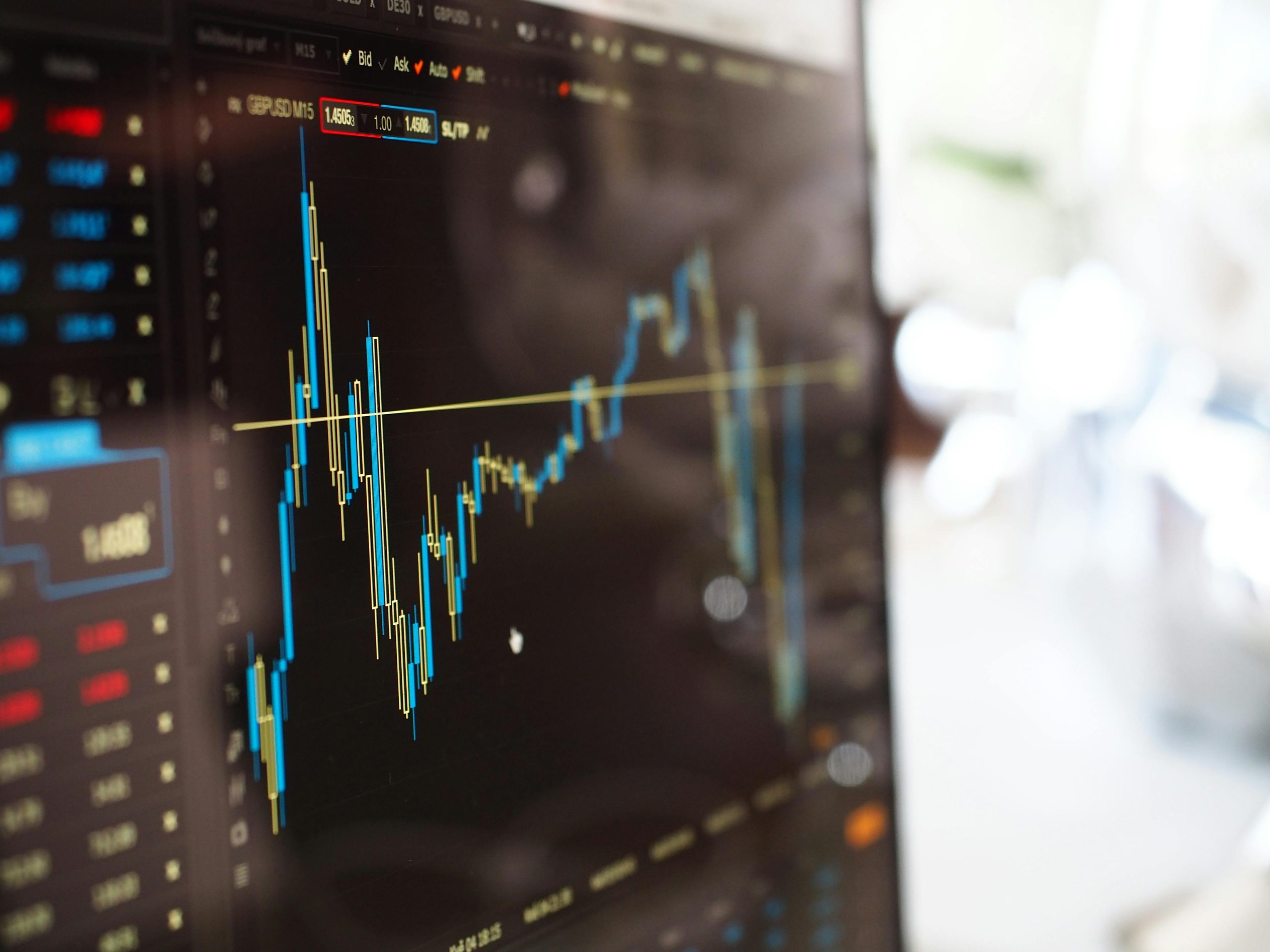
Financial markets across Asia experienced a sharp downturn as rising geopolitical tensions in the Middle East triggered widespread investor anxiety. The escalating situation in the region has increased fears of a broader conflict that could disrupt global trade and energy supplies. As a result, investors reacted quickly, selling off stocks and shifting capital toward safer assets.
One of the hardest-hit markets was South Korea. The country’s main stock index, the KOSPI, recorded a significant decline during the trading session, reflecting a rapid retreat of investors from riskier assets. Analysts say the drop was amplified by the fact that the South Korean market had been performing strongly in recent months, particularly due to its technology and semiconductor sectors. When uncertainty rises, markets that previously attracted large amounts of investment often see the fastest and most dramatic sell-offs.
Asian financial markets tend to be particularly sensitive to global geopolitical developments. The region’s economies are deeply interconnected with international trade networks and global supply chains. When tensions increase in key strategic areas such as the Middle East, investors quickly factor potential disruptions into market prices.
One of the biggest concerns currently is energy. The Middle East remains a crucial hub for global oil production, and any escalation of conflict raises the possibility of supply disruptions. Even the perception of risk can drive oil prices higher. Rising energy costs can ripple through the global economy by increasing production expenses for companies and raising inflationary pressures in many countries.
Higher energy prices can be especially problematic for Asian economies that rely heavily on imported oil and gas. Increased costs can slow industrial production, reduce consumer spending power, and complicate the economic outlook for governments and central banks. For investors, this creates an environment where caution becomes the dominant strategy.
In times of geopolitical uncertainty, financial markets often display similar patterns of behavior. Investors typically reduce their exposure to equities and move funds into assets that are considered more stable during periods of crisis. Government bonds, gold, and certain currencies frequently benefit from this shift, as they are perceived as safer places to store capital when market volatility increases.
Market analysts note that sudden corrections like this are not unusual during periods of international tension. Financial markets react rapidly to new information, and even rumors or speculation about potential escalation can influence trading decisions. As geopolitical developments unfold, market sentiment can change quickly, causing sharp swings in asset prices.
For now, investors around the world are closely monitoring the situation in the Middle East. Any signs of further escalation could lead to additional volatility in global markets. On the other hand, diplomatic progress or signs of stabilization could help calm investors and support a recovery in stock prices.
The recent downturn in Asian markets highlights how interconnected the global financial system has become. Events occurring thousands of kilometers away can trigger immediate reactions across international stock exchanges. As geopolitical risks continue to shape economic expectations, investors remain cautious while waiting for clearer signals about the future direction of the conflict and its potential impact on the global economy.
Photo source: www.pexels.com
Author of this article

WAS THIS ARTICLE HELPFUL?
Support us to keep up the good work and to provide you even better content. Your donations will be used to help students get access to quality content for free and pay our contributors’ salaries, who work hard to create this website content! Thank you for all your support!

OR CONTINUE READING