Energy standoff: Hungary conditions gas exports on oil flow restart

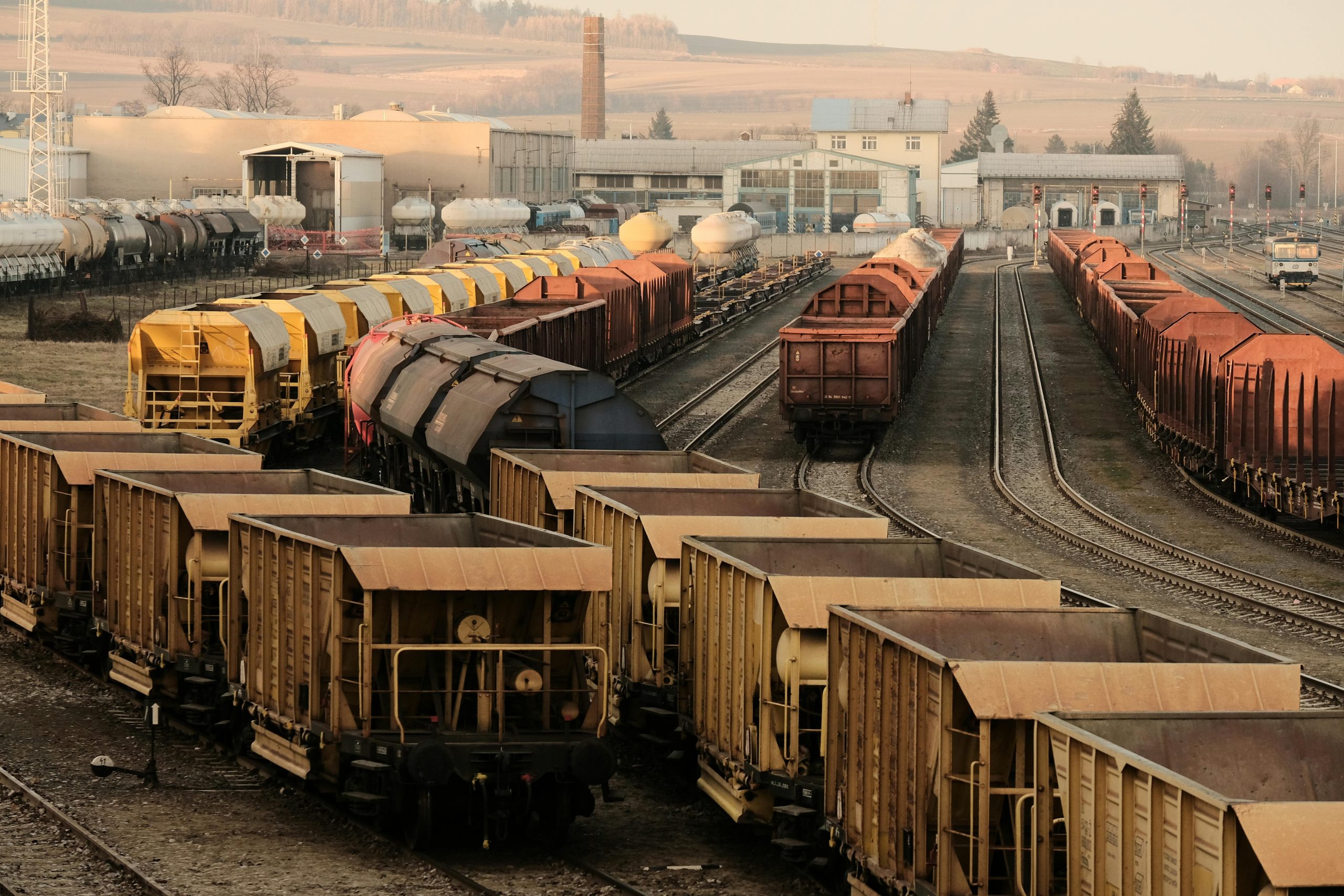
Hungary has announced it may stop supplying gas to Ukraine unless the flow of Russian oil through the Druzhba pipeline is restored. The statement was made by Hungarian Prime Minister Viktor Orbán, signaling rising tensions over energy supplies in Central and Eastern Europe.
According to Orbán, Hungary has already begun gradually reducing gas deliveries to Ukraine. The government plans to keep any remaining gas reserves for domestic use instead of exporting them. The move is intended to pressure Kyiv into restoring oil transit through the Druzhba pipeline, which has been out of operation since late January.
The disruption of oil supplies is linked to damage caused by a Russian attack on infrastructure located in Ukraine. Since then, oil has not been flowing through the pipeline, creating serious challenges for countries like Hungary and Slovakia that still rely on Russian crude.
The Druzhba pipeline is one of the largest oil transport systems in Europe, supplying several countries with crude oil from Russia. Hungary and Slovakia are among the few European Union members that continue to import Russian oil due to exemptions from EU sanctions.
Hungary’s decision is part of a broader dispute over energy security and political cooperation. Orbán has previously indicated that his government is willing to use energy supplies as leverage in negotiations with Ukraine. In addition to the gas issue, Hungary has also raised concerns at the European level and linked its support for financial aid to Ukraine with the restoration of oil flows.
The situation reflects growing tensions between Ukraine and some of its neighbors, especially those that remain dependent on Russian energy resources. While Ukraine attributes the disruption to war-related damage, Hungary and Slovakia have expressed frustration over delays in restoring the pipeline’s operation.
Energy has become a central issue in the geopolitical landscape of the region. Interruptions in supply not only affect national economies but also influence diplomatic relations and political decisions within the European Union.
For Ukraine, the potential loss of gas imports from Hungary could pose additional challenges, particularly during periods of high energy demand. For Hungary, the priority remains ensuring stable access to oil and protecting its domestic energy needs.The dispute highlights how interconnected energy infrastructure remains across Europe, even amid ongoing geopolitical conflict. As long as the Druzhba pipeline remains offline, tensions between the involved countries are likely to continue.
Photo source: www.pexels.com
Author of this article

WAS THIS ARTICLE HELPFUL?
Support us to keep up the good work and to provide you even better content. Your donations will be used to help students get access to quality content for free and pay our contributors’ salaries, who work hard to create this website content! Thank you for all your support!

OR CONTINUE READING