Artemis II approaches the Moon: astronauts set to break historic distance record

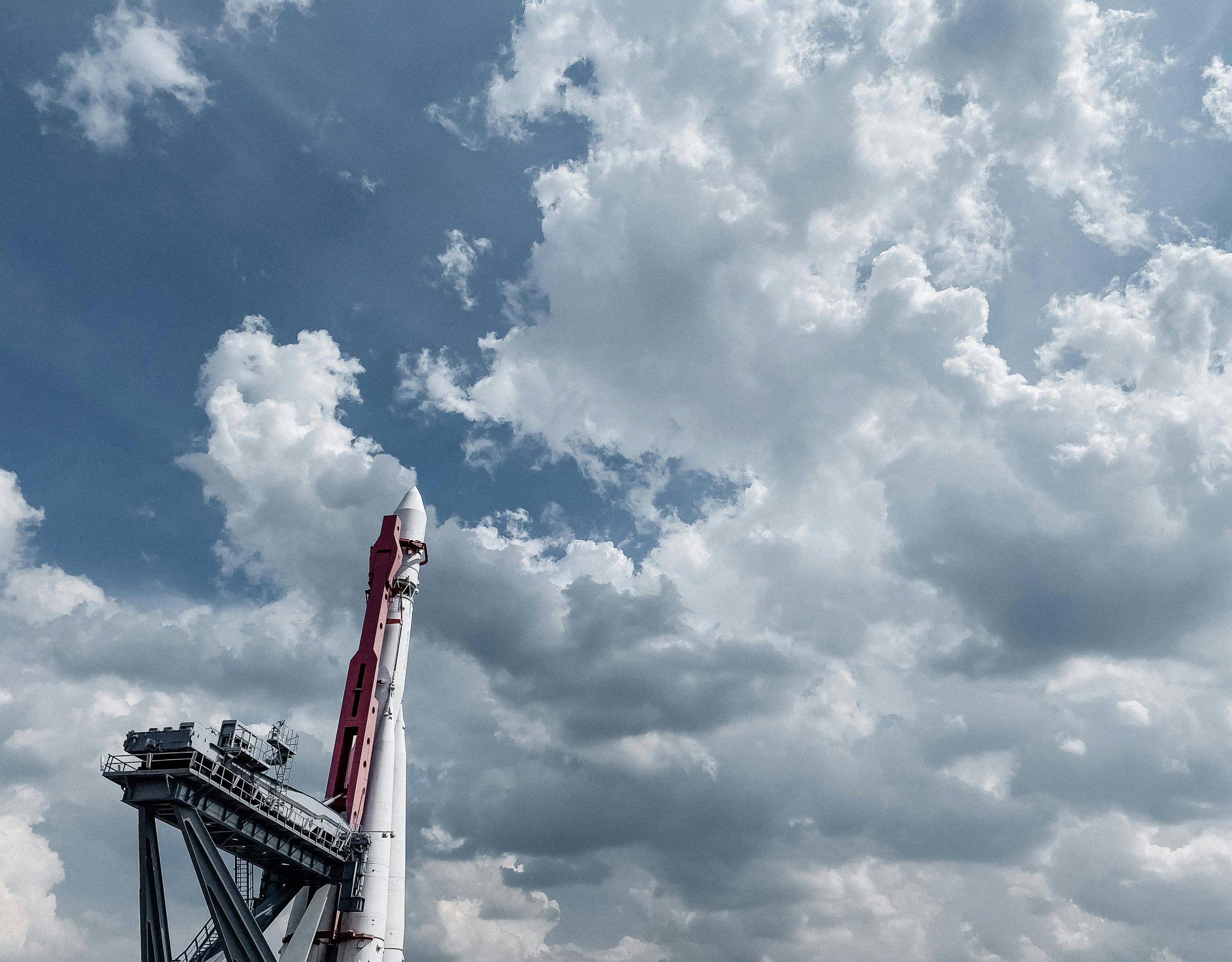
Humanity is once again reaching toward the Moon after more than half a century. The crew of the Artemis II mission has entered a critical phase of their journey, moving into a region where the Moon’s gravity begins to dominate over Earth’s pull. This milestone marks a key moment in the mission and brings astronauts closer to making history.
The Orion spacecraft, carrying a four-member crew, has entered what is known as the Moon’s sphere of influence. In this zone, the gravitational force of the Moon becomes stronger than that of Earth, meaning the spacecraft’s trajectory is now primarily shaped by lunar gravity rather than Earth’s. This transition is essential for navigating the spacecraft safely around the Moon.
A Chance to Break a Historic Record
Beyond its technical objectives, Artemis II may also set a new record in human spaceflight. The mission is expected to carry astronauts farther from Earth than ever before.
The current record dates back to 1970, when the crew of the Apollo 13 mission traveled approximately 400,000 kilometers from Earth during their emergency return trajectory. Artemis II is projected to surpass that distance, potentially reaching more than 406,000 kilometers. If achieved, this would establish a new milestone in human exploration.
First Crewed Mission Beyond Earth Orbit in Decades
Artemis II represents a significant step forward in space exploration. It is the first crewed mission to travel toward the Moon since the final Apollo missions ended in the early 1970s.
The crew consists of four astronauts—three from the United States and one from Canada. Notably, the mission includes the first woman and the first non-American astronaut to participate in a lunar mission, reflecting a more international and inclusive approach to space exploration.
Unlike future missions, Artemis II will not land on the Moon. Instead, its primary objective is to orbit the Moon and safely return to Earth. During the flight, astronauts are testing critical systems, including navigation, communication, and life-support technologies.
Preparing for Future Moon Landings
The Artemis program, led by NASA, aims to return humans to the Moon and establish a sustainable presence there. Artemis II plays a crucial role in this plan by validating the technologies and procedures needed for future missions.
If successful, the mission will pave the way for upcoming lunar landings, including Artemis III, which is expected to bring astronauts back to the Moon’s surface for the first time in decades.
A New Era of Space Exploration
The mission highlights a renewed global interest in human spaceflight. After years focused mainly on orbital missions and robotic exploration, space agencies are once again pushing toward deep-space travel with human crews.
Artemis II is more than just a technical test—it symbolizes a new chapter in exploration. By pushing the boundaries of how far humans can travel from Earth, the mission demonstrates both technological progress and a continued ambition to explore beyond our planet. If the crew successfully completes the journey and breaks the long-standing record, Artemis II will be remembered as one of the most significant milestones in modern space history.
Photo source: www.pexels.com
Author of this article

WAS THIS ARTICLE HELPFUL?
Support us to keep up the good work and to provide you even better content. Your donations will be used to help students get access to quality content for free and pay our contributors’ salaries, who work hard to create this website content! Thank you for all your support!


OR CONTINUE READING