Why the United States hesitates to strike Iran’s Kharg oil island

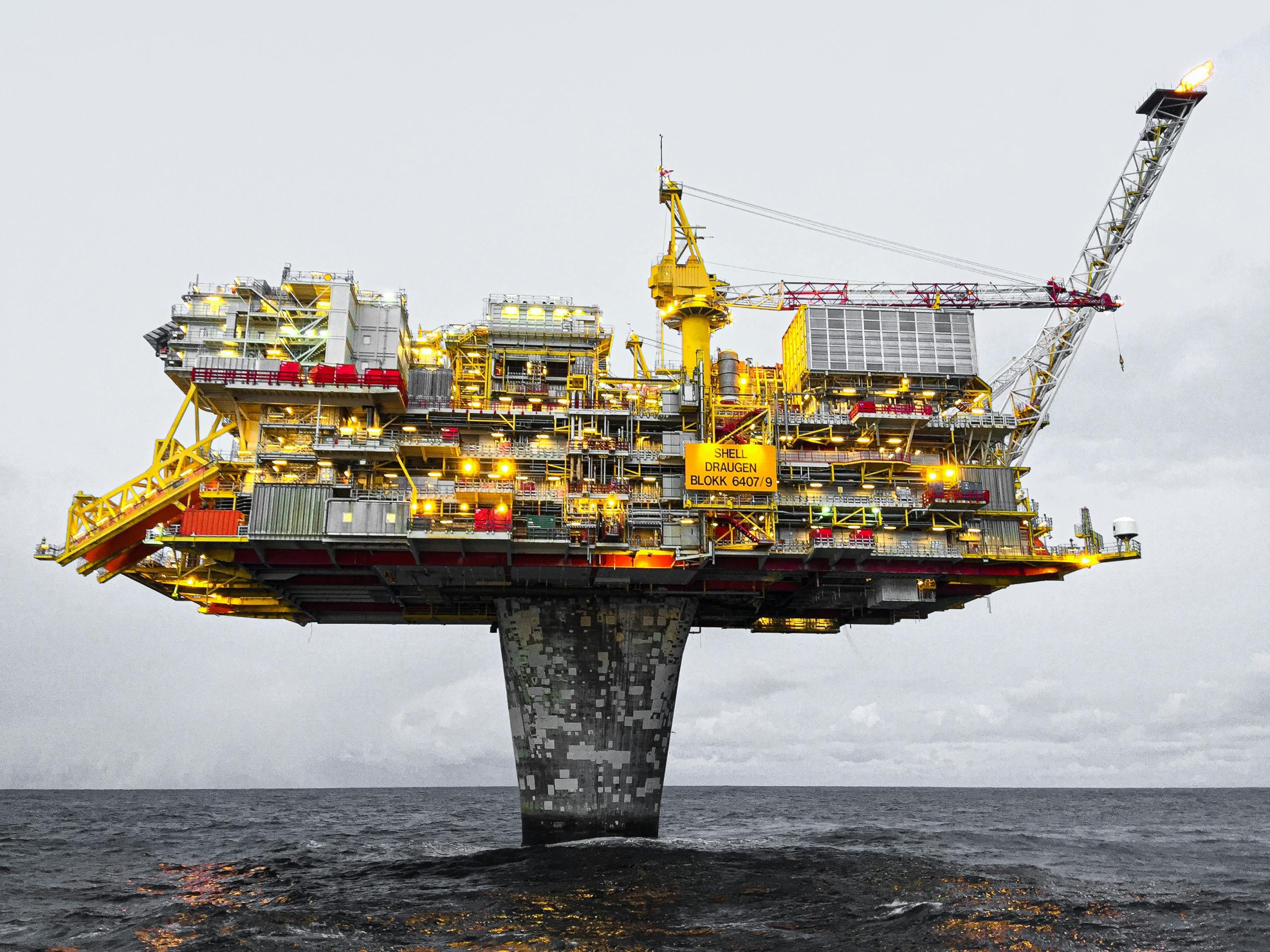
The small Kharg Island in the Persian Gulf plays an outsized role in the global energy system. Located roughly 25 kilometers off the coast of Iran, the island functions as the country’s main oil export terminal. A vast network of pipelines, storage tanks, and loading facilities allows supertankers to transport Iranian crude oil to international markets. In fact, around 90% of Iran’s oil exports pass through this single location, making it one of the most strategically sensitive targets in the region.
Because of its importance, Kharg Island is often described by analysts as a critical vulnerability for Tehran. If the infrastructure on the island were severely damaged or destroyed, Iran’s ability to sell oil abroad could drop dramatically. Since energy exports generate a significant portion of the country’s state revenue, such a strike would have immediate economic consequences.
Despite this, United States has so far avoided targeting the island’s oil facilities directly. While military strikes have reportedly hit certain military positions on Kharg, the energy infrastructure itself has largely been left intact.
One of the main reasons for this restraint is the potential impact on global oil markets. Any serious disruption to Kharg Island’s export terminals could remove a large portion of Iranian crude from international supply. Even temporary damage could push energy prices sharply higher and add instability to global markets already affected by geopolitical tensions.
Another major concern is escalation. Iranian officials have repeatedly warned that attacks on the country’s key energy infrastructure would provoke retaliation. This could include strikes against oil facilities belonging to U.S. allies in the Persian Gulf or attempts to disrupt shipping routes in the region. Such actions could quickly widen the conflict beyond Iran itself.
The nearby Strait of Hormuz is especially important in this context. Roughly one-fifth of the world’s seaborne oil trade moves through this narrow waterway, making it one of the most critical energy corridors on the planet. If hostilities around Kharg Island triggered disruptions in the strait, the consequences could ripple across the global economy.
In addition to its economic role, Kharg Island also has military significance. Iranian security forces and naval units operate in the surrounding waters, giving Tehran the ability to monitor and potentially threaten shipping traffic in the Persian Gulf.
For these reasons, the United States appears to be pursuing a cautious strategy—targeting military assets while avoiding actions that could destabilize global energy supplies or trigger a broader regional war.
However, the situation remains fluid. If tensions continue to rise or if Iran interferes with maritime traffic, Washington has signaled that it could reconsider its decision and potentially target the island’s oil infrastructure in the future.
For now, Kharg Island remains both a symbol of Iran’s economic lifeline and a reminder of how closely global energy security is tied to geopolitical conflicts in the Middle East.
Photo source: www.pexels.com
Author of this article

WAS THIS ARTICLE HELPFUL?
Support us to keep up the good work and to provide you even better content. Your donations will be used to help students get access to quality content for free and pay our contributors’ salaries, who work hard to create this website content! Thank you for all your support!



OR CONTINUE READING